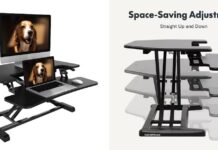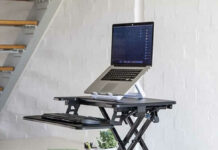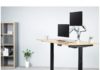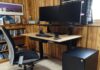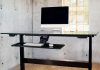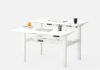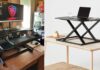

Do standing desks help students? The honest 2026 answer: yes, but not the way the old marketing said. The reliable wins are behavioral — less slumped stillness during long study blocks, easier fidgeting for restless learners, and a built-in reason to change posture between tasks. The overclaimed wins — weight loss, grades, “brain boosts” — don’t survive contact with the research, a pattern we unpack in our Benefits of Standing Desks (2026): What the Evidence Actually Shows review. This guide keeps what’s true for students specifically: what a sit-stand setup fixes, what it doesn’t, and how to set one up for a growing body without premium-desk money.
The short-term benefits that hold up
More movement in the study block. A student at a sit-stand desk changes posture when attention dips instead of sinking deeper into the chair — and posture changes are natural break points for the pomodoro-style rhythms study coaches recommend anyway. An outlet for restlessness. For fidgety learners, standing blocks convert leg-bouncing energy into weight shifts and stretches instead of fighting it — several small classroom studies report exactly this, and it’s the strongest student-specific finding in the literature. Less end-of-day ache. Teen bodies parked in one position through school plus homework report the same neck-and-back complaints as office workers; alternating posture is the cheapest relief available. Pair it with the two-minute moves in our standing desk exercises routine and the desk becomes the trigger for actual movement.
The long-term claims, resized
Standing burns only slightly more energy than sitting — a standing desk is not a weight-management tool, for adults or students. What the long-term case actually rests on is habit formation: a student who learns at fourteen that work and movement mix carries that pattern into every desk they’ll ever sit at. That’s real, it’s just not measurable in a semester. Claims beyond that — mood, BMI, test scores — remain unproven, and we’d rather say so than repeat them.
Should schools embrace standing desks?
The classroom trials to date show feasibility more than transformation: students use the desks, teachers report fewer disruptions from restless kids, and nothing bad happens — but grade effects are inconsistent and equipment budgets are real. Our take: standing options make obvious sense in classrooms as an option (a few standing stations at the back beat a full retrofit), and make the most sense at home, where one student uses one desk for years and the per-desk math is easy.
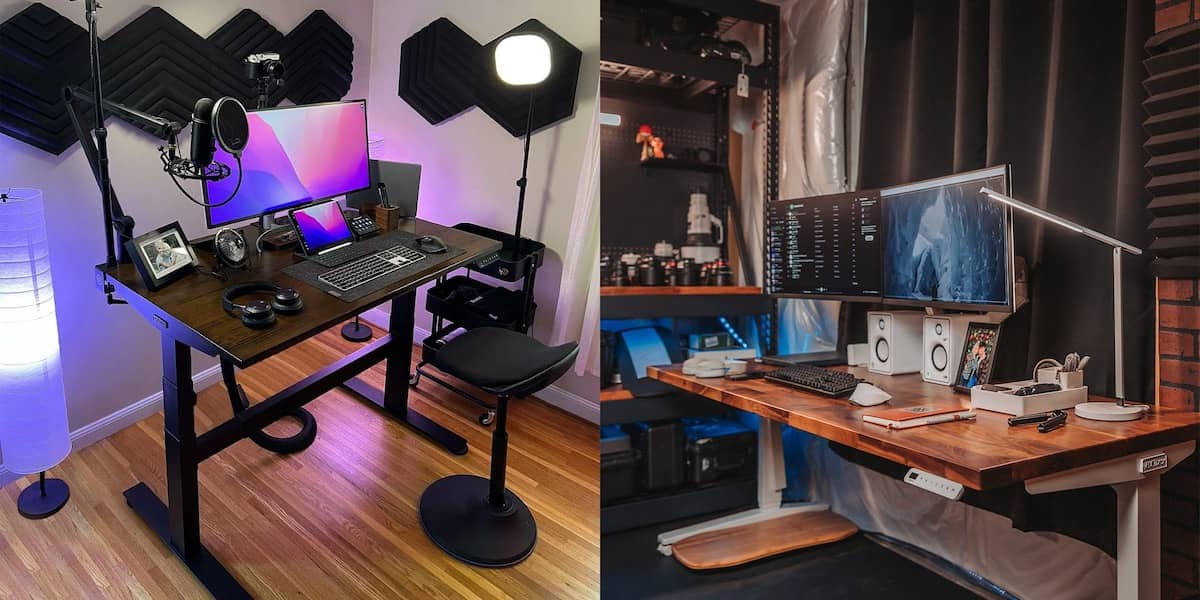
Three rules cover it. Buy for the growth curve: a frame with a wide height range serves a body that will change; height-adjustable kids’ desks (ApexDesk’s NK line is a rare branded example) and budget electric frames from our Best Standing Desks of 2026: WFHWorld’s Tested Picks From $250 to $1,000 rankings both work. Fix the chair too: a sit-stand desk with a wrong-size chair is half a setup — our The 6 Best Ergonomic Desk Chairs for Kids (2026): Re-Verified Picks guide covers fitting a chair to a growing student, footrest rules included. Keep the switching easy: elbow height at the desktop in both positions, and everything the student needs within reach in both — friction is what kills the habit, at any age.
Our conclusion
A standing desk won’t raise a GPA, and anyone promising that is selling something. What it does for a student is quieter and better: it makes long study sessions physically sustainable, gives restless energy somewhere to go, and installs a movement habit at the age habits actually install. As education arguments go, that one doesn’t need inflating.
Last updated: August 22, 2026 — full 2026 refresh: benefits resized to the evidence (overclaims removed), classroom section updated, student-specific setup guidance added with kids-chair and budget-desk links, dead product link retired.