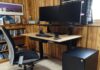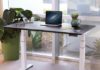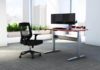

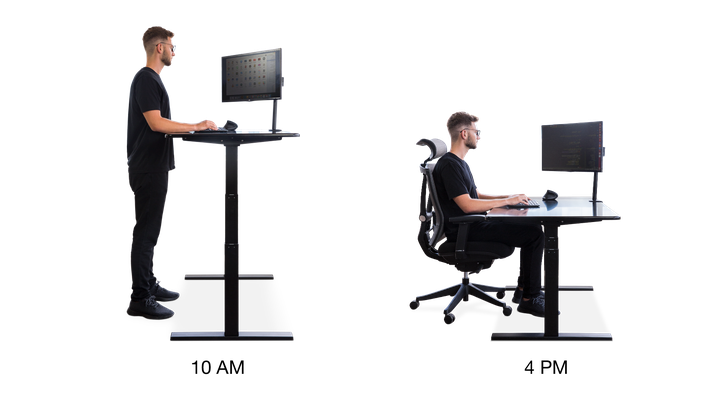
Eight years after we first asked this question, the answer has only gotten firmer: yes — a standing desk changes how a desk day feels, provided you use it as a switch, not a sentence. The average desk worker still sits around six hours of an eight-hour shift, and the research consensus that formed over the last decade says the fix isn’t standing all day; it’s breaking sitting up often. Here’s our 2026 read on what actually changes, and what doesn’t.
What a standing desk really is (and isn’t)
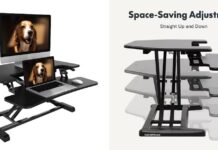
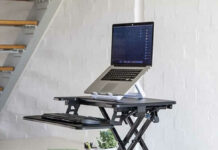
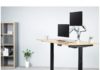
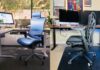
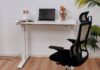
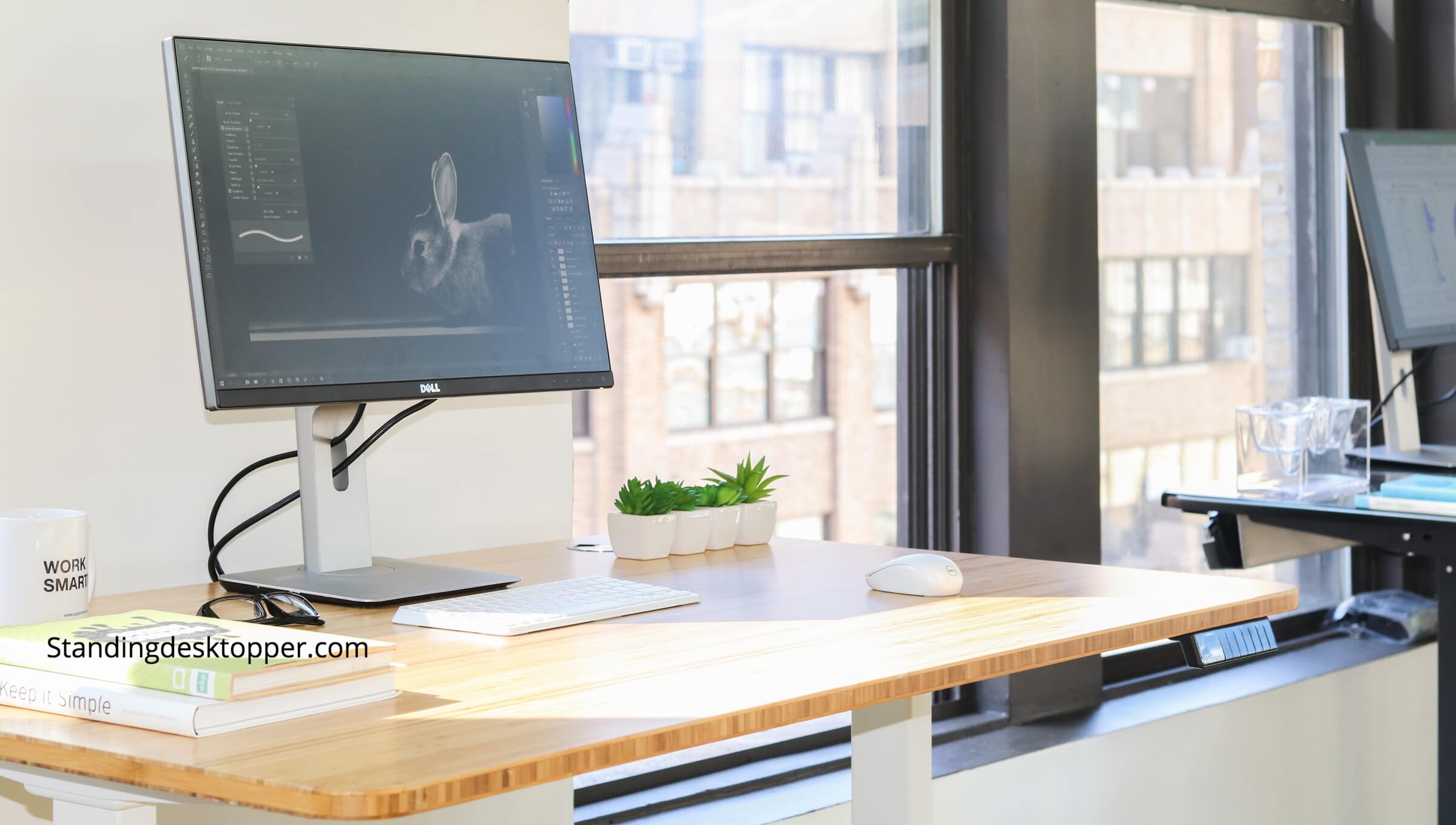
A standing desk is simply a work surface set at standing height — and in 2026 that almost always means a sit-stand desk, one that moves between heights at the push of a button or the turn of a crank. The distinction matters: the desks that change how people feel are the adjustable ones, because the benefit lives in the transition. Our standing desk buying guide covers the field, and the benefits rundown goes deeper on the evidence.
Sitting all day is the real opponent
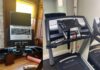
The sedentary-lifestyle findings that made this category exist haven’t softened: long unbroken sitting is associated with weight gain, higher blood-sugar spikes after meals, and the slow-burn back and shoulder complaints every office knows. A standing desk attacks the “unbroken” part. Standing for even a few minutes each hour raises energy expenditure modestly — it’s no treadmill — but the bigger win owners report is subjective: less end-of-day stiffness, fewer post-lunch slumps, more inclination to move at all.
Posture: the honest version
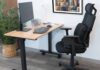
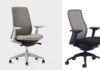
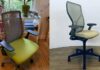
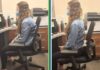
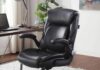
Standing doesn’t grant good posture; it interrupts bad posture. Slouching is a sitting specialty — when you stand, your spine tends to organize itself, and alternating positions keeps any one set of muscles from being loaded for hours. Pair the desk with a chair that supports you properly for the sitting half (our under-$500 chair rankings exist for exactly this) and set both heights correctly — elbows near 90 degrees, screen at eye level.

The consequences question
There are downsides, and they’re the same ones we flagged years ago: stand too long and your feet, knees, and lower back will file complaints of their own; varicose-vein risk rises with all-day standing occupations. The fix is rhythm — many owners settle around 30 to 60 minutes of standing spread through the day, built up gradually, ideally on an anti-fatigue mat. If you want to be more deliberate about it, our desk-worker exercise routine and the full is-it-good-for-you breakdown turn the desk into an actual habit.
So — will it change the way you feel?
If you currently sit six-plus hours a day: almost certainly, and mostly for the better. Expect less stiffness and more alertness rather than weight loss and miracles. The desk is a tool that makes movement convenient; the change in how you feel comes from using it that way.
Last updated: August 23, 2026 — full 2026 refresh: evidence framing updated to current consensus, usage guidance tightened, internal resources updated, original photography retained.