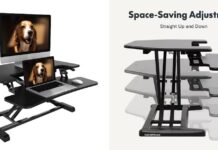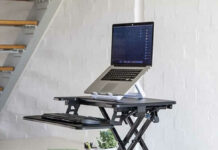

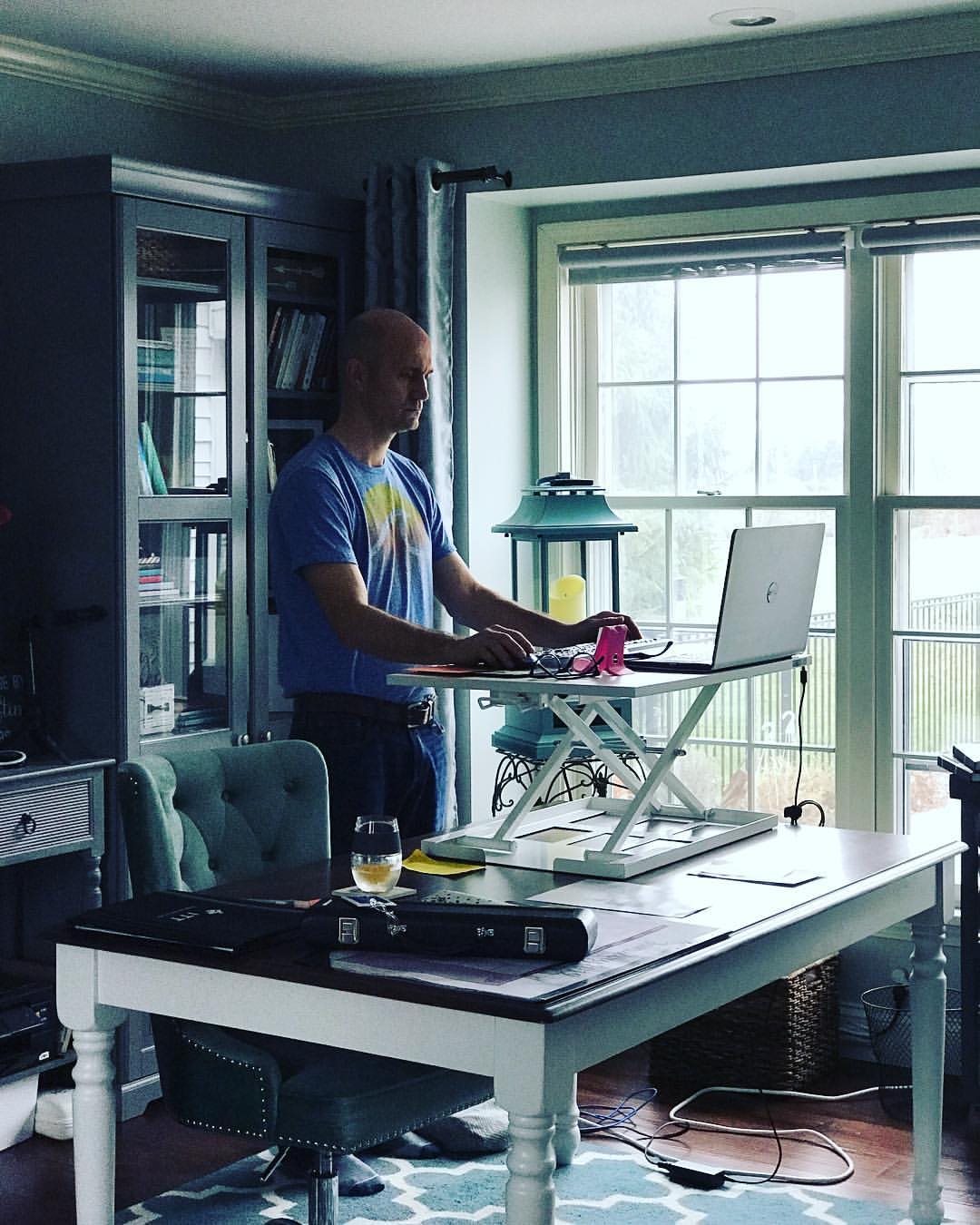
Here is the honest 2026 version of this page: standing desks are genuinely good for you, but not for the reasons the 2018 internet claimed. The evidence that has held up is about breaking up sitting — less stiffness and back pain, steadier energy and alertness, modestly better blood-sugar behavior after meals, and a work rhythm that keeps you moving. The claims that have not held up are the dramatic ones: a standing desk will not melt weight off you, and it is not a cancer or longevity cure. This guide walks through what the research actually supports, what it doesn’t, and how to set up your day to capture the real benefits.
The benefit that anchors everything: breaking up sitting
The most consistent finding across workplace studies is almost boring: long unbroken sitting is the problem, and interrupting it is the fix. Alternating between sitting and standing through the day — rather than heroically standing for eight hours — is what reduces the end-of-day stiffness, the low-back grumbling, and the post-lunch fog that desk workers know by heart. This is why every recommendation on this site pushes memory presets and easy transitions: the desk only delivers its benefit on the days you actually move it.
Back pain: the strongest practical case
Office workers with low-back complaints report meaningful relief when they can alternate positions, and it is the single most common reason our readers say they bought the desk. The mechanism is intuitive — varying posture varies the load on the spine and hips — and the practical advice is equally simple: change position before discomfort starts, not after, and pair the desk with a chair set up properly for the sitting half of your day. A standing desk complements a good chair; it does not replace one.
Energy, mood, and focus: real but subjective
Standing periods reliably rate as more alert and less lethargic in worker self-reports, especially in the afternoon trough. Nobody should promise you a productivity transformation — the honest summary is that movement fights drowsiness, and a desk that moves makes movement convenient. Many users also simply like the postural variety on long call-heavy days, which counts for more than it sounds like over a working year.
Calories and weight: the modest truth
Standing burns somewhat more energy than sitting — but the difference is small, on the order of a light snack over a full standing-heavy day, not a workout. Where the desk earns its keep is as a gateway: people who stand fidget more, pace on calls, and — the real multiplier — pair the desk with a walking pad, which turns idle meeting hours into genuine daily mileage. If weight is the goal, the desk is infrastructure, not the intervention; our The 7 Best Walking Pads for Using with a Standing Desk (2026) guide covers the upgrade that actually moves the number.
Blood sugar and circulation: promising, not miraculous
Breaking up sitting with standing or light movement is associated with better post-meal blood-sugar behavior and less of the leg heaviness that pooled circulation produces — one reason the after-lunch stand is the easiest habit with the clearest payoff. Treat these as sensible physiological wins from moving more, not as medical treatment; anyone managing an actual condition should be guided by their clinician, not their furniture.
What the old version of this page overclaimed
Earlier eras of standing-desk content — this page included — leaned on dramatic claims: longer lifespans, cancer-risk reduction, obesity reversal. The research consensus has not been kind to those framings; observational links between total sitting time and health outcomes are real, but a desk purchase is not a proven intervention against cancer or early death, and we won’t tell you it is. The defensible claim is humbler and still worth the money: less unbroken sitting, less musculoskeletal complaint, more daily movement — compounded over years of working life.
How to actually capture the benefits
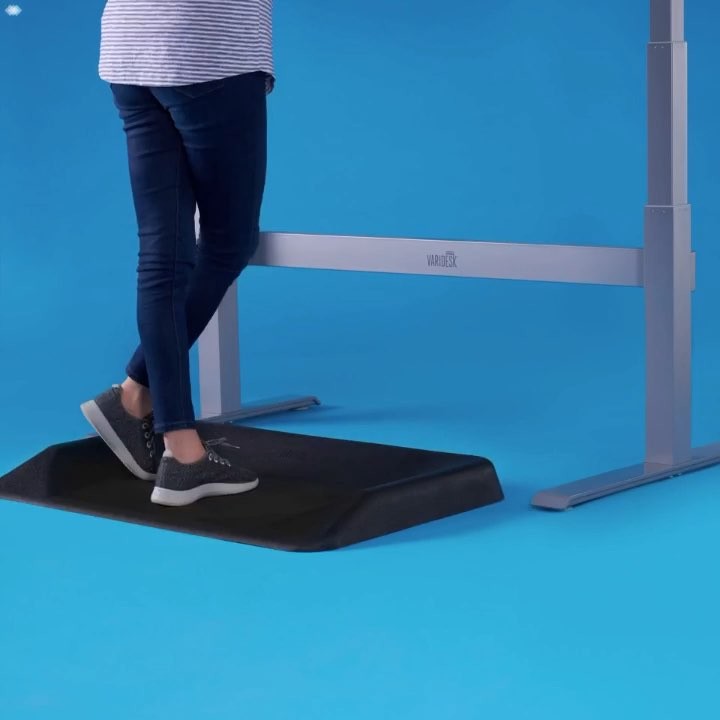
Start with 30-to-45-minute standing blocks and let comfort set the schedule; the all-day-standing hero phase ends in sore feet and an abandoned habit (standing all day has its own downsides — it is a position too, not a virtue). Stand for the parts of the day that suit it — calls, email triage, the post-lunch hour — and sit for deep work if that is where you focus best. Wear real shoes or stand on an anti-fatigue mat (our picks: The 5 Best Standing Desk Mats (2026): Re-Verified Picks), keep elbows at ninety degrees and screen tops at eye level in both positions, and use the memory presets — friction is the enemy of alternation. Add movement snacks (a stretch, a lap, a set of calf raises) between blocks, and the desk becomes the anchor of a genuinely less-sedentary day; our standing desk exercises guide has the routine.
The bottom line
A standing desk is a smart buy in 2026 for the same reason it was always a decent one: it makes the healthy behavior — moving more, sitting in one slump less — the path of least resistance for forty-plus hours of your week. Buy it for the back relief, the energy, and the movement habit; skip the miracle-claim marketing; and if you’re ready to choose one, our How To Choose The Best Standing Desk in 2026 framework and tested picks from $250 to $1,000 are the next two clicks.
Last updated: August 17, 2026 — full 2026 rewrite: health claims re-aligned with current evidence (break-up-sitting framing; longevity/cancer/weight-loss overclaims retired), practical benefit-capture routine added, links refreshed to current guides.