
Our verdict up front: the Peak Design Travel Tripod is the best tripod for most photographers in 2026 — pro-level stability that packs to the width of a water bottle. The Manfrotto Befree Advanced is the runner-up that saves you real money, the K&F Concept 60″ carbon kit is the budget buy, the NEEWER TP74 covers fluid-head video work for less than a name-brand head alone, and the Vanguard Alta Pro 2+ 264CT is the specialist for macro and odd-angle compositions. All five were verified in stock on Amazon at sane prices the day we updated this page.
|
Best Overall
|
Best Runner-Up

|
Best Budget
|
Best for Video

|
|
$399.95
|
$199.95
|
$99.99
|
$139.99
|
Think of the need for tripods as a concession to a minor flaw in the human body. Hands will shake, and a short fuse of impatience will eventually become exhausted. We’re not robots, although some members of our team have been known to fail website captcha tests, causing us some doubt.
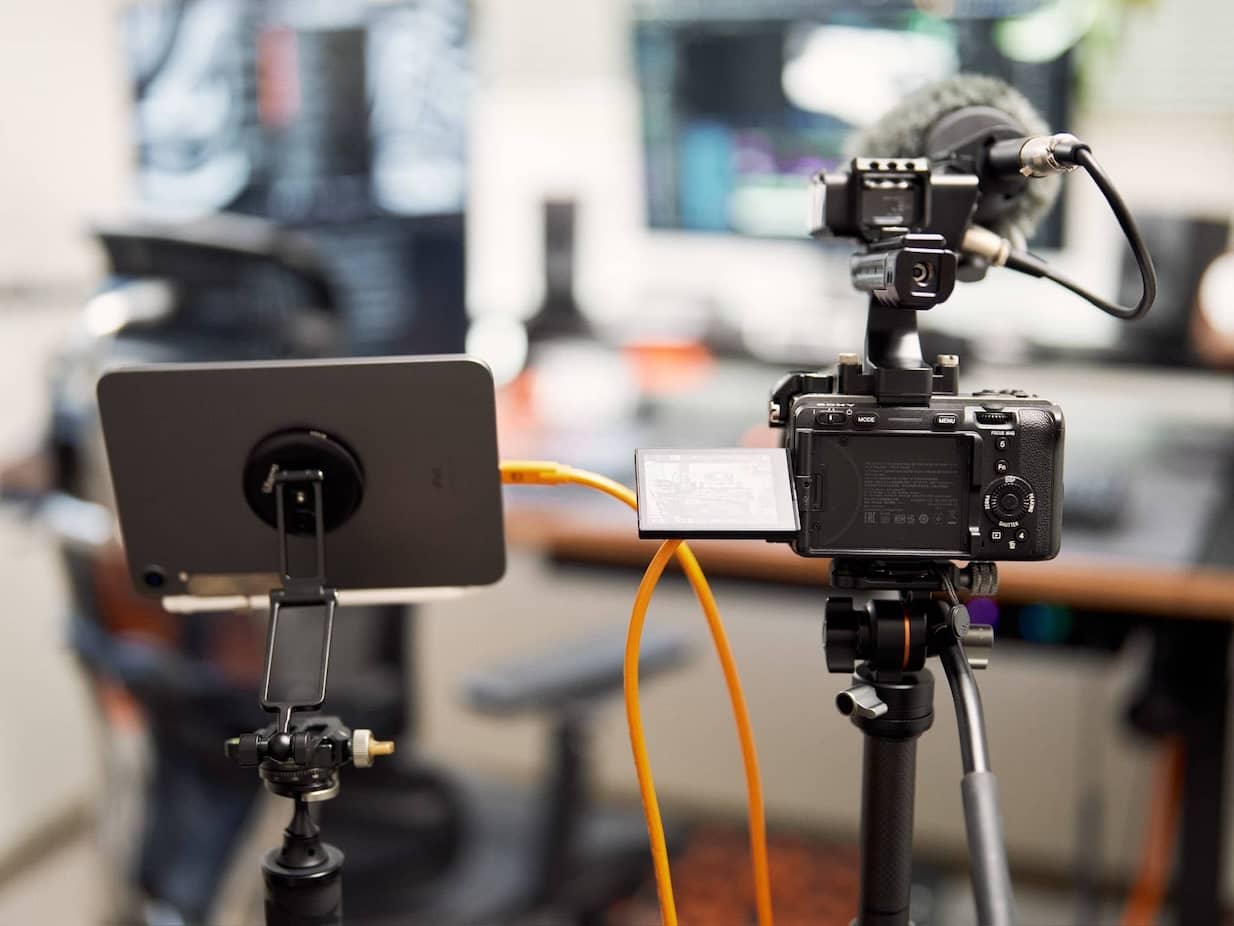
At any rate, there are other scenarios where you’ll employ a camera tripod. Long exposures, experimental shots with “what-happens-if-I-do-this” iso and aperture changes require the elimination of lens shakes. Low light photography warrants the fitting of a tripod, too, as does the setting up of a hard to achieve composition.
Just as one example, imagine a time-lapse photography enthusiast or someone who’s looking to get started in astrophotography. In the former case, hours of rock-solid, locked in focus and composition are essential so that the subject looks as if it’s accelerating through time. For the latter situation, faint celestial objects won’t become visible until a camera sensor has switched over to long exposure mode to capture traces of starlight that are invisible to the naked eyes.
So, what are the best tripods for photography? Is one camera support system more stable than a branded competitor? Are there inexpensive third-party rigs that do the same job for a fraction of the cost? Important questions, and we’re here to provide the answers.
A Tripod Checklist for Photographers
Durability is key in a best tripods for photography list. Even if the gear is going to sit in a dry studio all the time, the occasional knock can be expected as working studios are nonstop circus acts of movement, always working to set up the next shot. Robust but lightweight, then, that’s what we’re betting on.
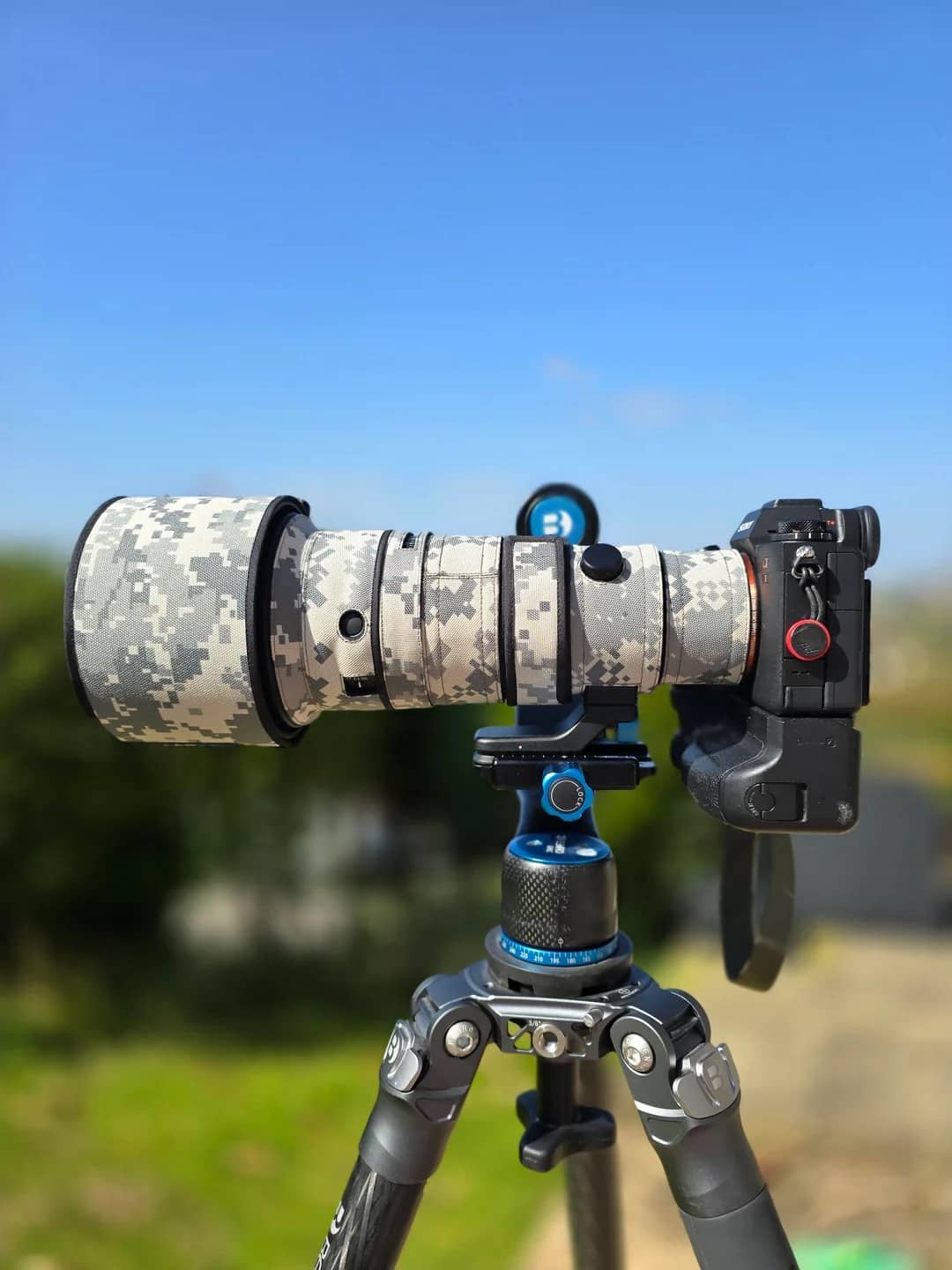
Other features you’ll be needing include a quick, smart folding action, more for outdoor photography, and a highly manipulable tilt head mechanism. We recommend a quick release plate with corresponding high-quality locking mechanisms, the better to assure a stabilized composition for as long as required.
Locking legs, rubberized accouterments, and the option to attach multipurpose tripod accessories as needed, there’s a whole smorgasbord of possibilities to explore when you enter the confusing world of tripod buying.
Don’t worry, we’ve done the work for you. For the 2026 refresh we re-verified every pick’s availability, rebuilt the list around what is actually sold and supported this year, checked the specs against each maker’s current sheets, and folded in the long-term owner feedback our team has collected — plus test findings from editorial labs like TechGearLab where they add signal.
Our Top Tripod Recommendations
This selection covers the roles most photographers actually hire a tripod for: an everyday flagship, a travel-friendly value pick, a budget carbon kit, a dedicated video rig, and a studio specialist for macro work and impossible angles.
Peak Design Travel Tripod — Best Overall
Peak Design Travel Tripod, Aluminum, Compact Design, Quick Setup and Takedown, Pro-Level Stability, Ergonomic Ball Head, Compact and Portable Travel Tripod for Camera and Phone, 20 lb Capacity
- Packs to water-bottle diameter, about 15.5 inches long
- Just over 60 inches of height with 20 lb rated support
- Cam-lever legs deploy in seconds; Arca-type plate
- Phone mount hidden inside the center column
- Premium price for a travel-size tripod
- Single-ring ball head trades fine-framing precision
- Nested legs collect grit and want periodic cleaning
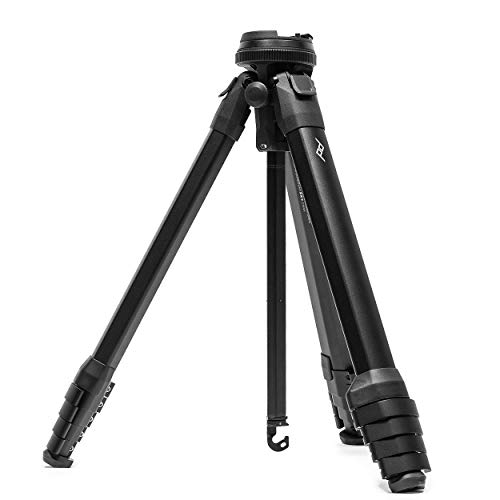
Peak Design spent four years rethinking what a folded tripod should look like, and the result still defines the category in 2026: legs that nest around the center column so the whole thing packs to roughly the diameter of a water bottle, about 15.5 inches long, while extending to a full 152.4cm (just over 60″) of working height. The aluminum version we link carries a rated 20 lbs of support — enough for a full-frame body with a telephoto attached — on cam-lever legs that deploy in seconds, topped by Peak’s low-profile ball head with its single adjustment ring and an Arca-type quick-release plate. A phone mount hides inside the center column, because of course it does.
What sold our team is that the portability costs so little stability. With the legs at full spread and the column down, it holds landscape compositions steady in coastal wind that sends lighter travel sticks shimmering, and the hook takes a bag’s worth of ballast when conditions turn hostile. A carbon fiber version shaves roughly two-thirds of a pound for a meaningful price jump; the aluminum build is the value pick of the two and the one we recommend first.
Where it gives ground: this is premium money for a travel-size tripod, and owners of traditional knob-head rigs need an adjustment period — the single-ring ball head trades a little fine-framing precision for speed, which macro and architecture shooters in particular notice. The cam levers and nested legs also collect grit after beach and desert trips, so budget an occasional teardown-and-rinse; Peak Design documents the process and sells every spare, but it is maintenance a plain tube tripod never asks for.
Manfrotto Befree Advanced — Best Runner-Up
Manfrotto Befree Advanced Camera Tripod with Lever Closure, Portable and Compact Travel Tripod Kit with Ball Head, Aluminum Tripod for DSLR Reflex and Mirrorless Cameras, Camera Accessories
- 3.5 lb aluminum kit reaching 59.45 inches
- 494 ball head with lock, friction and pan controls
- Plate fits Manfrotto RC2 and Arca-style clamps
- M-lock levers shrug off years of travel abuse
- 8.8 lb payload rules out big telephoto rigs
- Lever locks want occasional re-tensioning
- Full-height center column invites vibration
If the Peak Design price makes you flinch, Manfrotto’s Befree Advanced delivers the classic version of the same brief for a fraction of the cost. It is the Italian brand’s best-selling travel kit for a reason: 59.45″ of maximum height from a 3.5 lb aluminum frame, quick M-lock lever legs, and the genuinely good 494 center ball head with three independent controls — sphere lock, friction, and panorama — so you can actually dial in framing rather than wrestle it. The included plate locks into both Manfrotto’s own RC2 accessories and standard Arca-style clamps, which quietly future-proofs the purchase.
Rated payload is 8.8 lbs — honest territory for a mirrorless body with a standard zoom or a mid-size prime, which is exactly the kit a travel tripod actually carries. Setup takes seconds, the folded package slides into a daypack’s side pocket, and the whole thing shrugs off the years of airline abuse that eventually work cheaper rigs loose.
The compromises are proportionate to the price: that 8.8 lb rating rules out serious telephoto work, long-term owners tell our team the lever locks want an occasional re-tension with the bundled tool once seasons of use bed them in, and compositions get noticeably less rigid with the center column cranked to full height — standard travel-tripod physics, best answered by leaving the column down when the shot allows.
K&F Concept 60″ Carbon Fiber — Best Budget
K&F Concept 60 inch Carbon Fiber Camera Tripod,Super Lightweight Compact Travel Tripod with 360 Degree Ball Head,Quick Release Plate,Detachable Monopod 8KG Load Capacity for SLR DSLR C225C0 (BA225...
- Real carbon fiber and a real ball head on a budget
- One leg detaches as a monopod for sideline work
- Center column inverts for ground-level shots
- Roughly a kilogram before the head goes on
- Skinny fifth leg sections flex at full extension
- Ball head can settle a hair while locking down
- Model naming churn makes reorders confusing
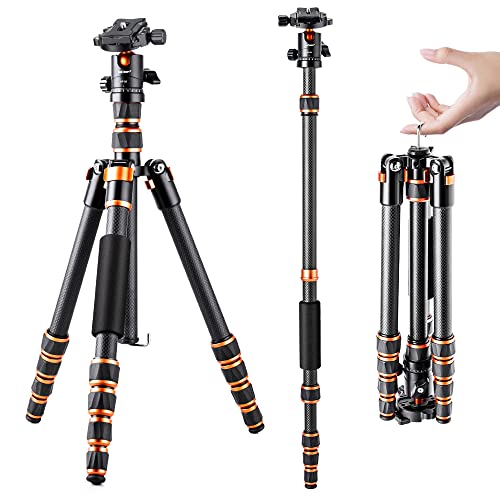
Carbon fiber for double-digit money used to require serious compromises; K&F Concept’s 60″ kit is how little you give up in 2026. The five-section carbon legs collapse tight, weigh in at roughly a kilogram before the head goes on, and lock with metal twist knobs rather than plastic clips. Up top sits a 360° panoramic ball head with a quick-release plate, one leg unscrews to become a monopod for sideline work, and the center column inverts in seconds for ground-level and low-angle compositions. The listing rates the package to a 17 lb load — treat that as marketing headroom, but mirrorless and DSLR kits sit well within it.
A housekeeping note our team keeps having to make for this one: K&F has churned the model designation over the years — the same tripod has worn BA225, C225C0 and now A225C0+BH-25L labels on the very same listing — so match the photos and specs rather than the code if you are cross-shopping. It remains the identical value proposition throughout: real carbon, real height, real head, entry-level price.
What the savings buy you into: the skinny fifth leg sections flex if you extend everything and lean on it, so leave the last section nested when the ground allows; a handful of owners note the ball head can settle a hair as it locks under heavier bodies — frame, lock, then fine-check the horizon; and the QC lottery, while much improved, is not Manfrotto-grade — run every control through its paces on day one.
NEEWER TP74 Video Tripod — Best for Video
NEEWER 74" Video Tripod with Fluid Head, QR Plate , Aluminum Heavy Duty Camera Tripod Professional for DSLR Cameras Camcorders, Max Load 17.6lb/8kg, TP74
- Complete 74-inch video kit with fluid drag head
- Dual QR modes fit Manfrotto 501PL and DJI RS plates
- 17.6 lb payload covers mirrorless cinema rigs
- Mid-level spreader keeps pans planted
- 10.9 lbs makes it a location tool, not a hiking one
- Fixed damping with no counterbalance adjustment
- Flip locks can pinch bare fingers
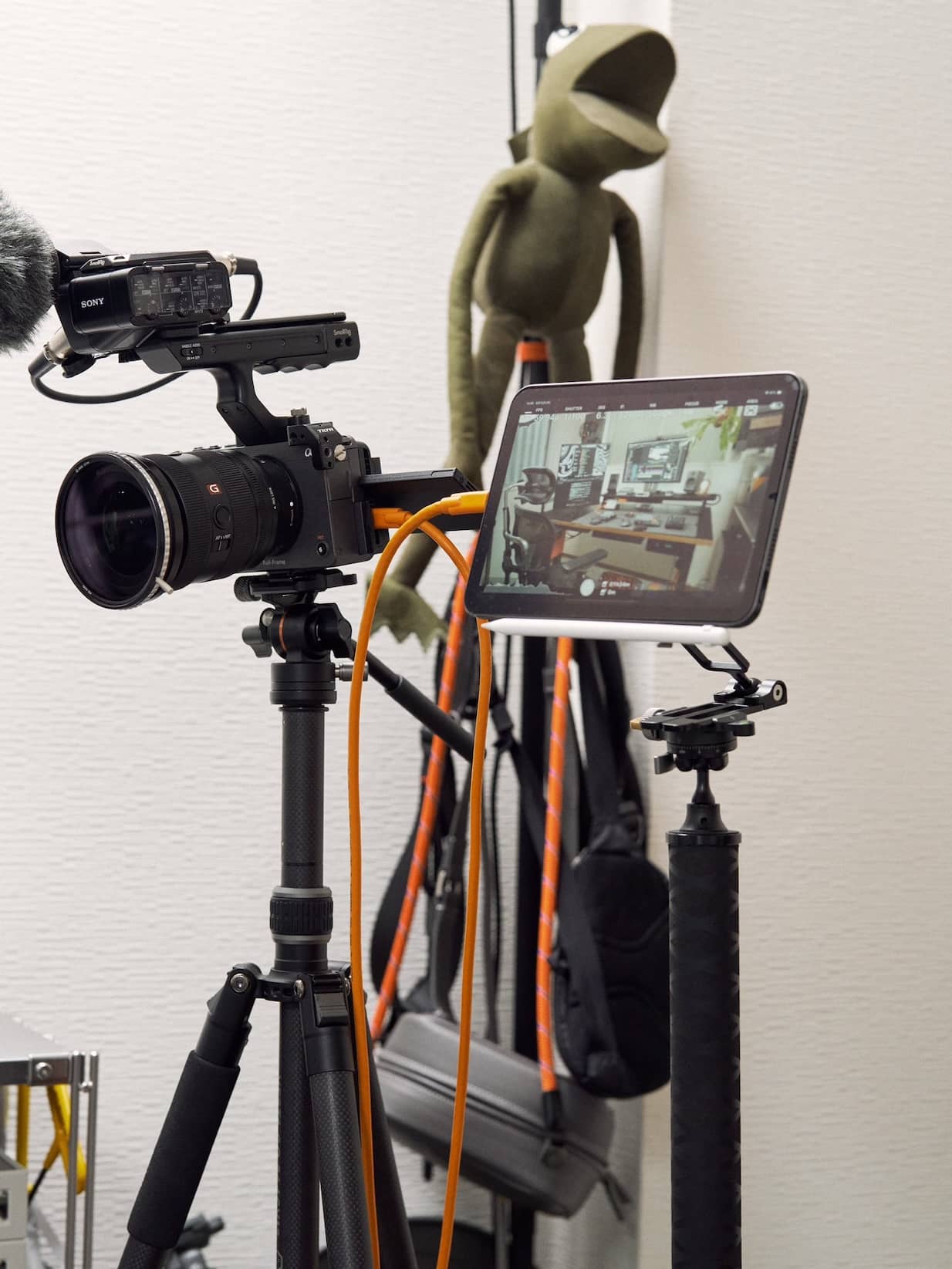
Video support used to mean a four-figure system — the Manfrotto rig this article once recommended cost more than some cameras. NEEWER’s TP74 collapses that math: a complete 74″-max video tripod with a genuine fluid drag pan head, mid-level spreader and quick flip-lock legs, for less than most name-brand fluid heads cost on their own. The head pans 360° with smooth friction damping in both axes, carries both 1/4″ and 3/8″ mounting threads, and — the clever bit — ships with two quick-release modes, taking Manfrotto 501PL-style plates as well as the plate pattern of DJI’s RS gimbals, so a hybrid shooter can hop a camera between gimbal and sticks without re-plating.
Payload is rated at 17.6 lbs (8kg), which covers every mirrorless cinema rig short of a proper shoulder build, and the 34.5″-to-74″ height range means standing interviews and over-crowd shots are actually reachable — something the 60″-class stills tripods above cannot claim. At this price our team expected wobble and found aluminum heft instead: 10.9 lbs of it, which is precisely why it holds a pan steady.
Know the trade-offs going in: that weight makes it a location tool you drive to, not one you hike with. The fluid damping is fixed rather than adjustable and there is no counterbalance system, so front-heavy rigs want their plate position balanced with care before the first take. And the flip locks, while fast, will pinch an ungloved finger exactly once before you learn respect. For run-and-gun panning work on a budget, none of that dents the verdict.
Vanguard Alta Pro 2+ 264CT — Best for Macro and Odd Angles
 Vanguard Alta Pro 2+ 264CT Carbon Fiber Tripod with Multi-Angle Center Column for Sony, Nikon, Canon DSLR Cameras
- MACC center column swings vertical to horizontal
- Carbon legs: 59 inches up, 19.9 folded, 3.75 lbs
- Four leg angles splay nearly flat for macro work
- 15.4 lb load on a twist-resistant hexagonal column
- Legs only - budget separately for a head
- 59-inch maximum is short for tall shooters
- Cantilevered column demands counterweighting
Every other pick here plants a camera above a point on the ground; the Alta Pro 2+ frees it from that geometry. Vanguard’s MACC multi-angle center column swings from vertical through fully horizontal, so the camera can hover over a tabletop flat-lay, reach across a stream bank for a macro subject, or peer straight down a product set — compositions that are simply impossible on a fixed-column tripod. The Alta Pro family’s ease of use and stability are what earned it TechGearLab’s top overall ranking, and this 264CT version delivers the same trick on four-section, 26mm carbon fiber legs: 59″ extended, 19.9″ folded, 3.75 lbs, with four leg-angle stops from 20° to 80° and a rated 15.4 lb load on a hexagonal column that resists twist better than round tubes.
In studio and field-macro use, the combination of splay-flat leg angles and the horizontal column is the entire purchase justification: focus-stacked product work, ground-level fungi, copy-stand duty over documents — one tripod covers a brief that otherwise demands dedicated gear. A canopy suspension loop under the column takes ballast for outdoor stability when the column is cantilevered out.
Go in with clear eyes on three points: this listing is legs-only, so budget separately for a quality ball head — the price advantage over kitted rivals shrinks once you do. At 59″ max it is not a tall shooter’s everyday tripod. And a cantilevered horizontal column moves your camera’s weight off the tripod’s center of gravity, so counterweight the hook and skip windy-day heroics with a long lens out on the arm — physics does not care how clever the column is.
What Happened to Our Old Picks
This page’s previous five picks were a casualty list by mid-2026, at least as far as Amazon availability goes. The Magnus PV-3330G — a B&H house brand — and the Gitzo Traveler GK1545TA kit both lost their Amazon buyboxes entirely and now route through third-party offer pages; Gitzo’s US Amazon presence has thinned across the board, and both remain available through specialty photo retailers if you want them. The Manfrotto MVH502A fluid video system sits in the same buybox-less limbo, which is part of why the NEEWER TP74 now holds the video slot at a fraction of the price. The Benro Mach3 TMA37C is down to a single third-party unit at well over its historical price, and the 3 Legged Thing Winston 2.0 — our previous best overall, and still ranked the most stable tripod TechGearLab has tested — is down to a last few units of old stock on Amazon; 3 Legged Thing sells current Winston kits direct if its 88 lb capacity and monopod tricks are what your work needs. The lone survivor was the K&F Concept carbon kit, which graduates from a passing mention to a full pick above. Nothing on the old list became a bad tripod overnight — the market simply moved, and this page moved with it.
A Quick Recap on Your Tripod Needs
If budget rules everything, start with the K&F Concept kit — it is real carbon with a real head at the price of a nice camera strap. For something smaller and best suited to creative steady-shots, the Joby GorillaPod 3K Flexible Mini Tripod still meets that criteria, with its bendy legs curling to grip uneven surfaces like a table leg or lamp post; ultralight hikers should also look at SIRUI’s AM-5C carbon traveler as a sub-2-lb alternative, stock permitting.
The Peak Design is the one to buy when you want a single tripod that does nearly everything and vanishes into a carry-on; the Befree Advanced delivers most of that brief for far less. If smooth panning is the dealbreaker, that’s the NEEWER TP74’s entire job description — just remember that video support means weight, and there’s no way around carrying it.
By the way, almost all of these tripods will accept heavy camera bodies, but that’s not to say a long lens barrel won’t throw the support system off balance. Add this tripod-offsetting weight to your searching criteria, as we did, or you might end up with a tipping accident. At the very least, opt for a tripod with a column hook, a design that accepts a counterbalance — every pick above has one.
Investing in a quality tripod, taking on the advice of our testers, you’ll open up a world of low-light shooting opportunities and experimental photography methods. And once the camera is locked down, make sure the storage keeps up — our companion guide The 6 Best Memory Cards for Your Camera (2026) was refreshed the same week as this page.
Last updated: August 10, 2026 — full 2026 re-line-up: five verified in-stock tripods with a comparison table, covering travel, budget carbon, video and macro roles.