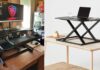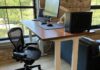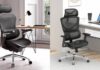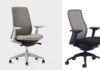

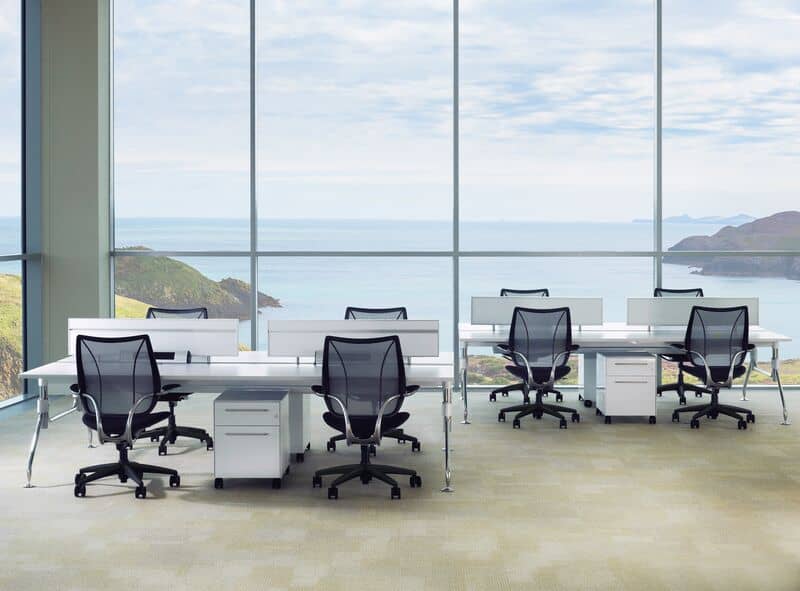
Standing or sitting at work — which are you actually better off with? The hype says everyone should stand; your wallet says you bought that Aeron or Steelcase Leap for a reason. The 2026 answer, backed by everything ergonomics research keeps confirming: neither posture is the hero. Movement is. Here’s the honest breakdown.
Is sitting that bad?
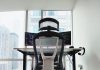
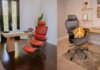
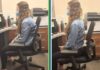
Alongside standing desks, ergonomic chairs keep getting more popular — chairs that promise good posture through a full seated day. So is sitting still okay, provided the chair is right?
Here’s the nuance: sitting for eight straight hours is bad for you — and so is standing for eight straight hours. Ask salespeople and floor staff who stand all shift: fatigue, leg and foot pain are their daily companions, and anyone with plantar fasciitis can’t tolerate four hours straight on cement, let alone eight.
Sitting has been demonized the way carbs were. The real villain was never carbohydrates — it was refined sugar; cut all carbs and you’re sluggish and weak. Same with sitting: sitting per se isn’t evil. Sitting all day without moving is what damages your heart, because your body is designed to move — and standing frozen in one spot fails that test just as hard. You don’t have to ditch the expensive Herman Miller. You have to move.
How to add micro-movements while seated
- Stand up every twenty minutes. Stand, walk a little, stretch — every twenty minutes. Forgetful? Put it in your alarms. These small movements keep fat from settling into your bloodstream and keep you more alert and, frankly, happier.
- Set up stations. Offices can split work across stations, so finishing one task means standing and walking to the next. It sounds like extra work — that’s the point. Movement, disguised as workflow.
- Sneak in simple exercises. Stretches, toe touches, a few squats between tasks — mini exercises that keep the circulation honest without a gym membership.
Is standing for the entire day really healthier?
Standing stationary earns you little. The advantage of being upright is that movement comes cheap — a stretch, a squat, a bounce, done almost unnoticed. But standing frozen all day brings its own lasting pain, and for people with foot problems or DVT, prolonged standing is genuinely inadvisable.
And here’s the mistake we see constantly: forcing a lifelong sitter onto a standing desk cold-turkey. That’s counterproductive and painful. Like any intervention, it needs a break-in period — transition gradually, and sooner or later you’ll simply be sitting less. Keep in mind through all of it: micro-movements matter more than standing alone.
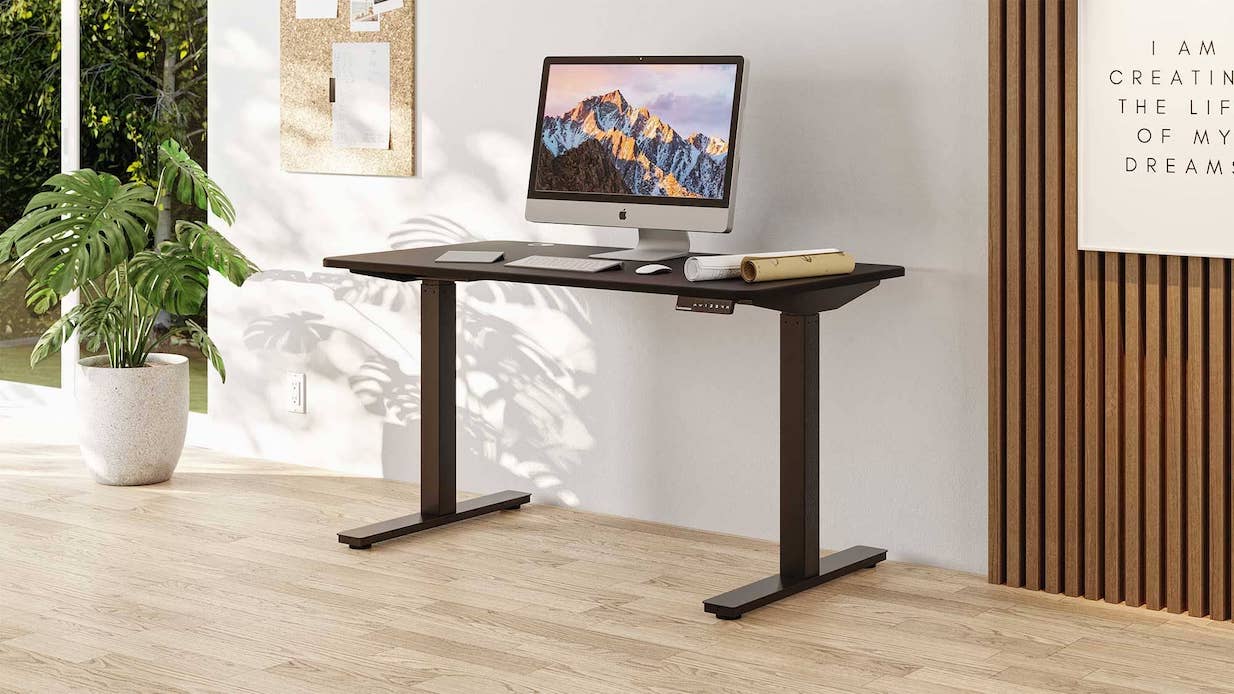
Proper body alignment when using a standing desk
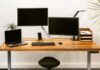
An expensive sit-stand desk set up wrong still builds a bad back. The checklist:
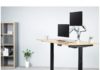
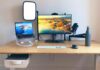
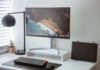
- Check the table height. The desk surface belongs at or slightly above elbow height, with elbows at 90 degrees to the keyboard. Too high and your shoulders hunch; too low and the strain loads your shoulders and radiates into the upper back and neck.
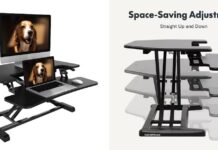
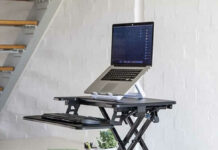
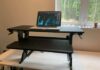
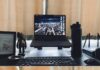
- Monitors at the right distance. Screens sit 20–28 inches from your eyes, ideally with about a 20-degree tilt, and your gaze should angle slightly down at the screen, never up. Too far away and you crane your neck forward all day — pain that travels from neck to shoulders to the whole back. On a laptop this geometry is nearly impossible alone, which is exactly what a desk riser or converter fixes.
So is standing the lesser evil than sitting?
Technically yes — because movement is easier to sneak in when you’re already upright. A seated worker has to visibly stand, step away from the chair, and move — and not everyone is inclined, especially where desk stretches invite teasing. Which is why the real fix is cultural: make movement a team effort, a few minutes a day when everyone moves, bounces, or hops around. Healthier employees, more fun culture — and nobody mocking the brave soul doing chair stretches. For all you know, that took all the guts they had.
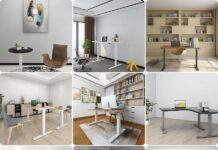
- The Best Height Adjustable Electric Standing Desks for a Home Office Setup
- The Most Comfortable Office Chairs For Long Hours of Sitting
Final thought
Both marathon sitting and marathon standing hurt you — the first clogs your circulation and rounds your posture, the second grinds your feet and legs, and both are contraindicated for some conditions (plantar fasciitis, DVT). The ideal is the balance: alternate through the day, add micro-movements in either posture, and stand at least a few times daily — if only to stop your spine from sinking too deep into that wonderfully comfortable chair. The healthiest posture, it turns out, is your next one.
Last updated: August 30, 2026 — full 2026 refresh: guide re-framed around the movement evidence, alignment checklist kept.