
The case for an ergonomic chair hasn’t changed since we first made it — long sitting strains the spine, and a chair built to support the body beats a chair built to fill a room. What has changed is the market: in 2026 real ergonomic support starts under $200, which removes the last good excuse. Here’s the refreshed version of why these chairs matter and what they actually unlock.
What “ergonomic” buys you
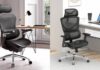
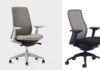
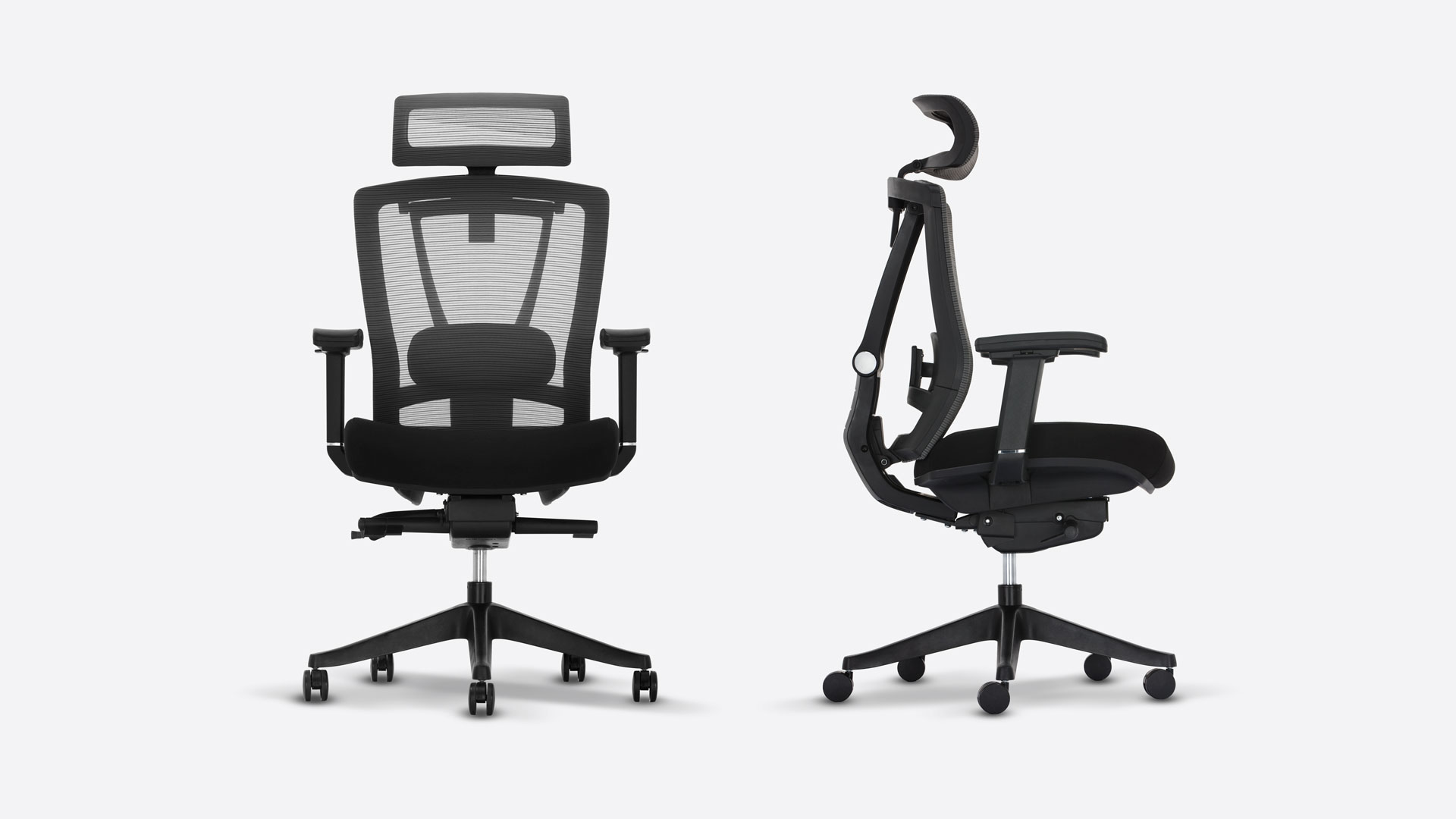
An ergonomic chair earns the name by adjusting to your body instead of asking your body to adapt: seat height that puts your feet flat and knees near 90 degrees, lumbar support that meets the natural curve of your lower back, and a seat pan that doesn’t press into the backs of your knees. The full anatomy of these features lives in our defining-features guide; the short version is that every adjustment exists to keep your spine neutral while you work.
The benefits, unlocked one by one
Your lower back stops doing overtime. Proper lumbar support carries load the muscles of your lower back would otherwise hold for hours — the difference between ending the day tired and ending it sore. Your posture stops decaying. A chair that fits makes the upright position the easy position, instead of a discipline you abandon by 2 p.m. Your focus lasts longer. Discomfort is a slow leak on concentration; owners consistently report that the chair they stopped noticing is the one that made afternoons productive. Circulation improves. A properly sized seat with a waterfall edge keeps pressure off your thighs, which your legs will thank you for on long days.
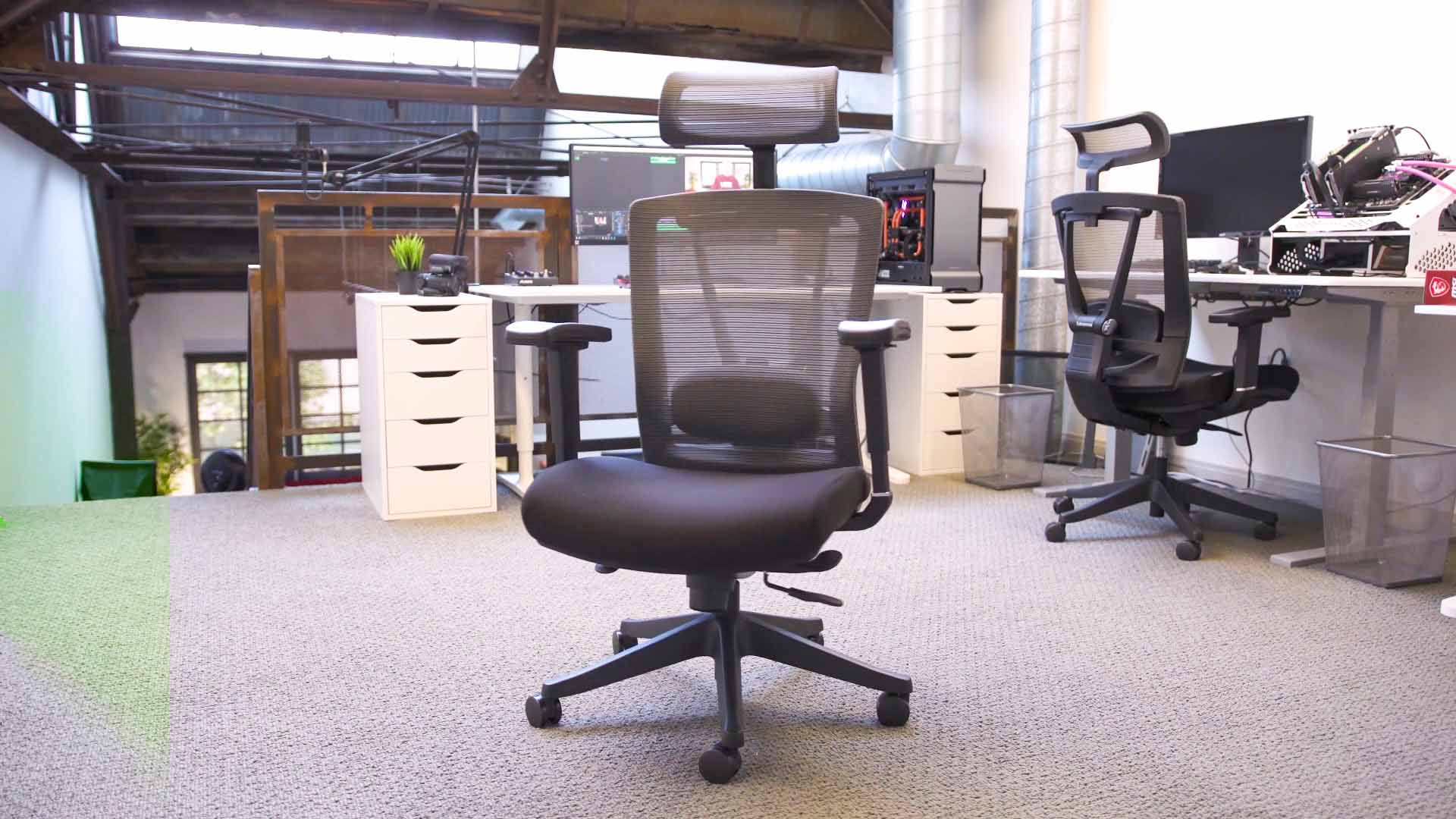
Why a standard chair can’t keep up
A standard office chair is furniture; an ergonomic chair is equipment. The differences look small on a spec sheet — a lumbar dial here, an armrest adjustment there — but over a 2,000-hour working year they compound into the difference between supporting your body and slowly wearing it down. We break the comparison down piece by piece in ergonomic vs standard office chairs.
Getting in without overspending
The unlock in 2026 is price. Genuinely adjustable mesh chairs with real lumbar support now live comfortably under $200, and the sub-$500 tier includes chairs with adjustment sets that once cost four figures — our under-$500 rankings keep the current shortlist, verified against live listings. Small details still matter at every price: even the wheels deserve thought, as our rubber-wheel explainer argues.
The bottom line
You’ll spend more waking hours in your desk chair than in your bed this year. An ergonomic chair converts those hours from a slow tax on your back into neutral time — and that’s the whole importance of it, unlocked.
Last updated: August 23, 2026 — full 2026 refresh: benefits restructured, pricing landscape updated, internal resources linked, original photography retained.