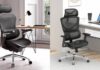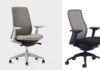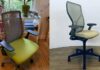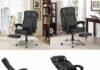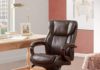

“Ergonomic” is the most abused word in office furniture — in 2026 it’s printed on $80 chairs and $1,800 chairs alike. This guide is our long-standing answer to the question that separates them: what does a chair actually have to do to earn the label? The checklist below hasn’t changed in principle since we wrote it; we’ve re-verified it against the current market and tightened the details.
The defining features, in order of importance
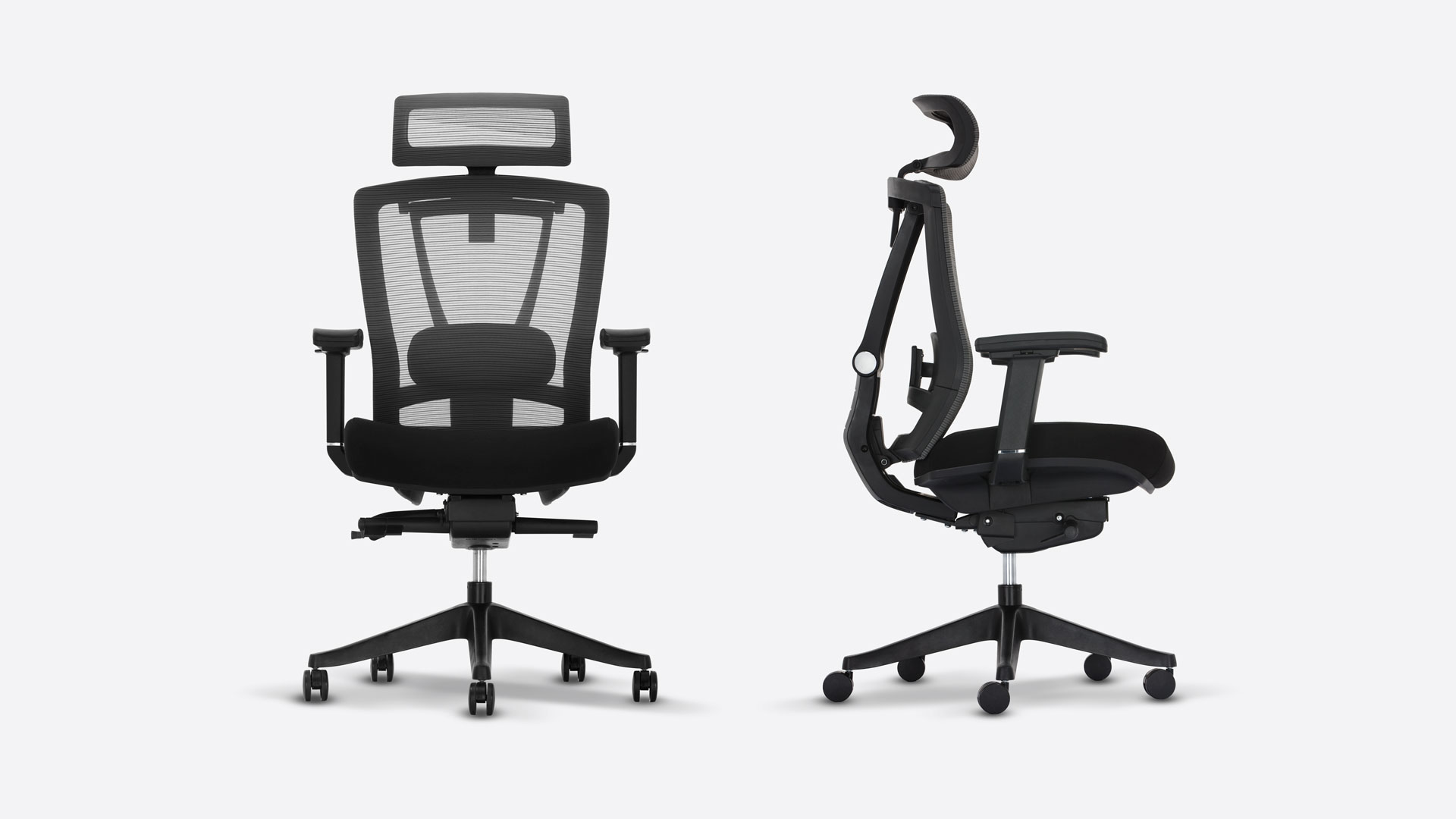
1. Seat height adjustment — the non-negotiable. A pneumatic range that lets your legs sit at roughly 90 degrees with feet flat. Most chairs cover average heights; short and tall users should check the range in inches, not trust the word “adjustable.”
2. Real lumbar support. The natural inward curve of your lower back needs something to rest against, or your muscles hold the arch all day. On a true ergonomic chair the lumbar is adjustable — in height at minimum, ideally in depth too. Fixed “lumbar-shaped” foam is decoration.
3. Seat depth and width. You should fit two to three fingers between the seat edge and the backs of your knees. Sliding seat pans (a feature that has migrated down from $1,000 chairs to the mid-market — the SIDIZ T50 is the classic example) let you set this precisely.
4. Backrest recline and tilt. Movement is the point. A backrest that reclines and locks — or better, a synchro-tilt that moves seat and back together — lets your spine change loads through the day instead of holding one position.
5. Adjustable armrests. Height-adjustable at minimum, so your shoulders can drop while your forearms rest level. 3D/4D arms add width and depth for keyboard work.
6. Breathable, supportive materials. Mesh backs cool; contoured foam seats support. Either works — what matters is padding that survives years, not months.
7. A stable base that rolls. Five-point base, smooth casters matched to your floor. It’s the feature nobody thinks about until it fails.

Looks are the trap
The original sin of chair shopping is choosing with your eyes. Plenty of sculptural, expensive-looking chairs fail half the checklist, and some plain-looking mesh workhorses pass all of it. Sit in the spec sheet, not the photo: count the adjustments, check the ranges, then decide if you like how it looks.
Using the checklist
Any chair that clears features one through five is genuinely ergonomic, whatever it costs. In the current market that standard is met from the budget tier up — our under-$500 rankings hold the verified shortlist, and the long-hours guide sorts the field for full-day sitters. And remember the checklist only works when adjusted: an ergonomic chair set wrong is just an expensive chair.
Last updated: August 23, 2026 — full 2026 refresh: checklist re-verified against the current market, feature guidance expanded, internal resources linked, original photography retained.










![[Stand Up Desk Store] Crank Adjustable Sit to Stand Two-Tier Desk with Steel Frame Review](https://wfhworld.com/wp-content/uploads/2019/09/Standupdeskstore-100x70.jpg "Stand Up Desk Store Crank Two-Tier Review (2026): The Crank Desk That Endures")