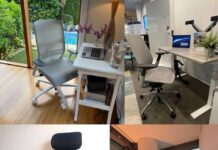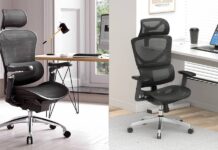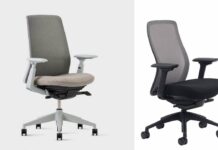

Most office chairs are built for a mythical average body — and if you’re shorter than that average, you’ve felt it: feet dangling, seat edge pressing behind your knees, lumbar support massaging your shoulder blades. This guide is for you. Ergonomic chairs are the category’s answer to the height problem, and here are the five reasons they’re a game changer for shorter users, refreshed for the 2026 market.
1. They actually come down to your height
The defining fix: a wide pneumatic height range with a genuinely low minimum. For most shorter users the target is a seat that drops to around 16 inches or below, so feet land flat and knees sit near 90 degrees. Check the spec in inches — “adjustable” alone tells you nothing. (Tall readers have the mirror-image problem; we cover it in the tall-person chair guide.)
2. Seat depth stops punishing your legs
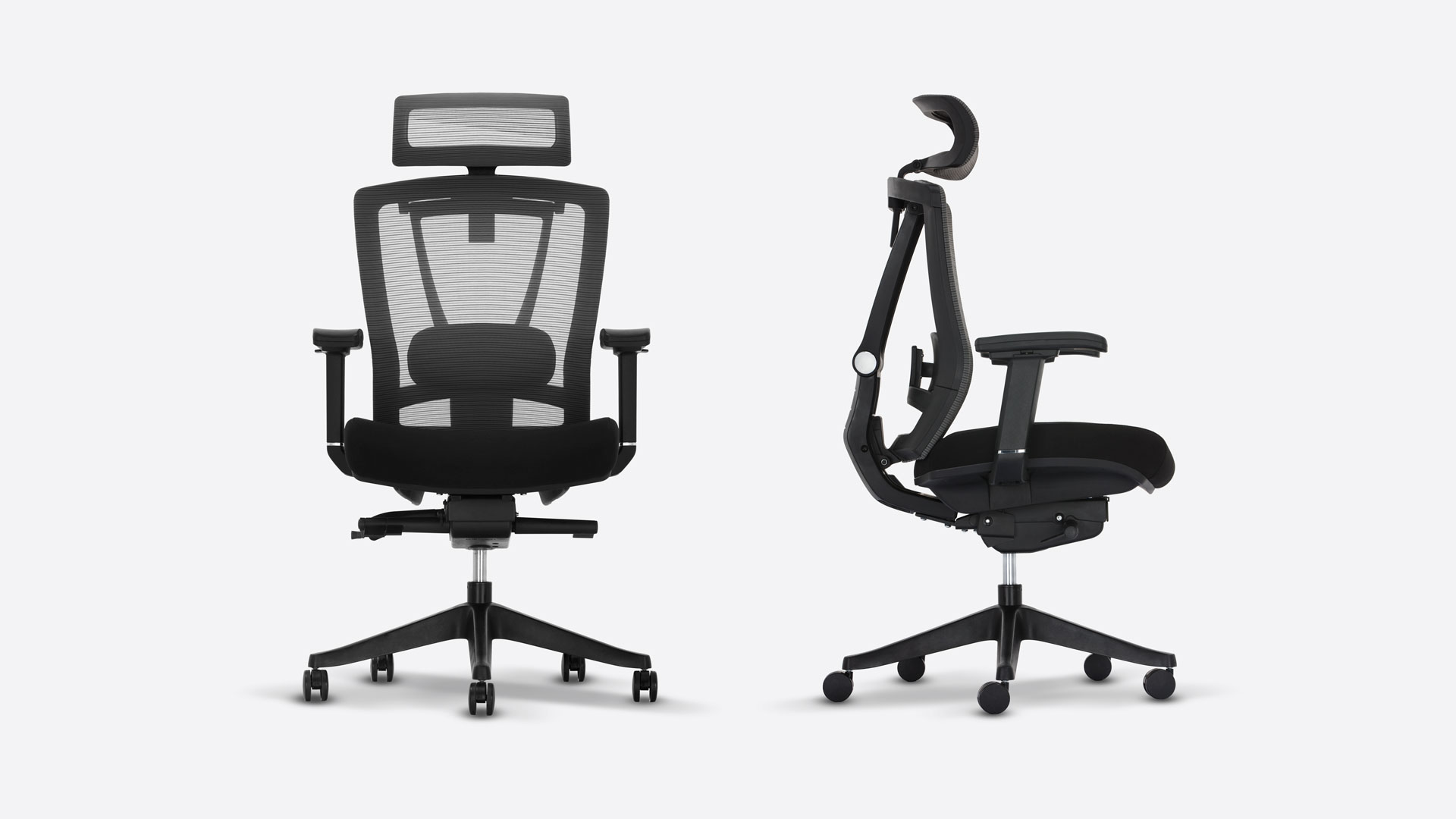
The chronic short-user complaint isn’t height — it’s a seat pan so deep you either slouch forward off the backrest or take the seat edge in the back of your knees. Ergonomic chairs answer with shallower pans, waterfall edges, and increasingly with sliding seat depth, a feature that has moved well into the mid-market. Two to three fingers of clearance behind the knee is the test.
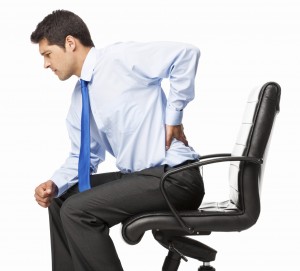
3. The support lands where your back actually is
Fixed lumbar bumps are placed for average torsos. Height-adjustable lumbar — standard on real ergonomic chairs — slides down to meet a shorter back’s curve, which is the difference between support and a foam rumor happening somewhere above you.
4. Armrests that meet your elbows, not your ears
Height-adjustable arms let shorter users drop the rests until shoulders relax; 3D and 4D arms pull inward so they’re under your forearms, not out at average-shoulder width. Shrugged shoulders all day is how neck pain starts.
5. For gamers and long-day sitters, fit is performance
A chair you fit is a chair you stop fighting — and for avid gamers or anyone logging marathon sessions, that’s measurable in focus. The racing-style chairs in our gaming chair rankings mostly run large; shorter players are usually better served by compact task chairs from the under-$500 shortlist, several of which run small-to-medium by design.
How to shop it
Read three numbers before anything else: minimum seat height (16 inches or lower is the short-user sweet spot), seat depth (17 inches or less, or sliding), and lumbar adjustability. Then set the desk to match — if your desk is fixed and too tall, a footrest or a height-adjustable desk (see our standing desk guide) closes the loop. Chairs were never made for your height; buy the kind that adjusts to it.
Last updated: August 23, 2026 — full 2026 refresh: fit numbers and market guidance updated, internal links refreshed, original photography retained.