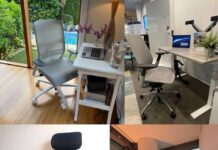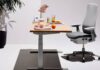

Here’s the fact that sells most chair mats: many flooring warranties are void the day a rolling office chair starts working the surface unprotected. Hardwood and office casters are natural enemies — this is our refreshed guide to whether you need a mat for your wood floors, which kind, and the 2026 alternative that sometimes beats the mat entirely.
Should I be using an office chair mat?
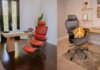
On real wood floors under a chair with standard hard casters: yes, and quickly. The damage pattern is predictable — fine scratches from grit ground under wheels, dents along the roll paths, dulled finish in a chair-shaped arc. A mat intercepts all of it, and adds the parts people don’t expect: rolling takes dramatically less effort on a smooth mat than across plank seams (easier on knees and lower back over a day of small moves), spills wipe up instead of finding board gaps, and anti-static builds protect the electronics under your desk.
What kind of chair mat should I be looking for?
For hard floors, buy a hard-floor mat — smooth backing, no carpet spikes (those gougers are for securing mats into carpet pile and will tattoo hardwood). Look for: a lip or size that covers your full roll range with margin; thickness around 2 mm-plus so it lies flat and doesn’t crack; beveled edges so wheels roll on and off without catching; and a non-slip underside that grips without adhesive. Measure your actual chair territory first — the classic mistake is a mat one roll smaller than your workday.
Popular materials for a great chair mat
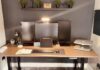
Polycarbonate — the buy-once choice: glass-clear, crack-resistant, flat out of the box, kind to finishes. Vinyl (PVC) — the budget classic; fine for light use, but cheap versions curl, yellow, and can react with some floor finishes over years. Tempered glass — the premium statement: rated for enormous loads, effortless rolling, never dents; costs like furniture. Wood-look and bamboo mats — protection that photographs like flooring, at moderate durability. On style-forward home offices they’ve become the quiet favorite.
What to expect
A good mat disappears into the routine: easier rolling from day one, a floor that still looks new when the desk moves out, and none of the crackle and curl of the bargain bin. Expect to pay modestly more for polycarbonate and be glad by year three.
The 2026 alternative: fix the wheels instead
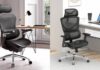
There’s now a second right answer for wood floors: swap the hard nylon casters for soft rubber or polyurethane wheels and skip the mat altogether — quieter, mat-free, and floor-safe (the full case is in our rubber-wheel explainer, and the care guide keeps them rolling). Mat or wheels, pick one deliberately — bare hardwood under hard casters is the only wrong option. And if your setup includes a standing desk, remember the anti-fatigue mat is a separate purchase for a separate job; our standing mat guide covers that side.
Last updated: August 23, 2026 — full 2026 refresh: material rankings updated (polycarbonate-first), rubber-wheel alternative added, sizing guidance clarified, original photography retained.