
Buying an office chair for a bigger body is a specification problem, not a shopping problem — get six numbers right and the chair lasts a decade; guess, and it fails in months. This is our how-to-choose guide for heavy users, refreshed for 2026 with the spec targets we apply in our own big-and-tall testing.
1. Maximum loading capacity — the first filter
Read the rating before anything else, and buy honest headroom: your weight plus a 50-pound margin minimum, because ratings assume static sitting and real life includes leaning, shifting, and the occasional drop into the seat. The serious tier starts at 300–400 pounds with engineering behind the number — chairs rated by marketing instead of testing reveal themselves in the warranty fine print. Our verified heavy-duty field lives in the heavy-person rankings and the big and tall guide.
2. Width and depth of the seat
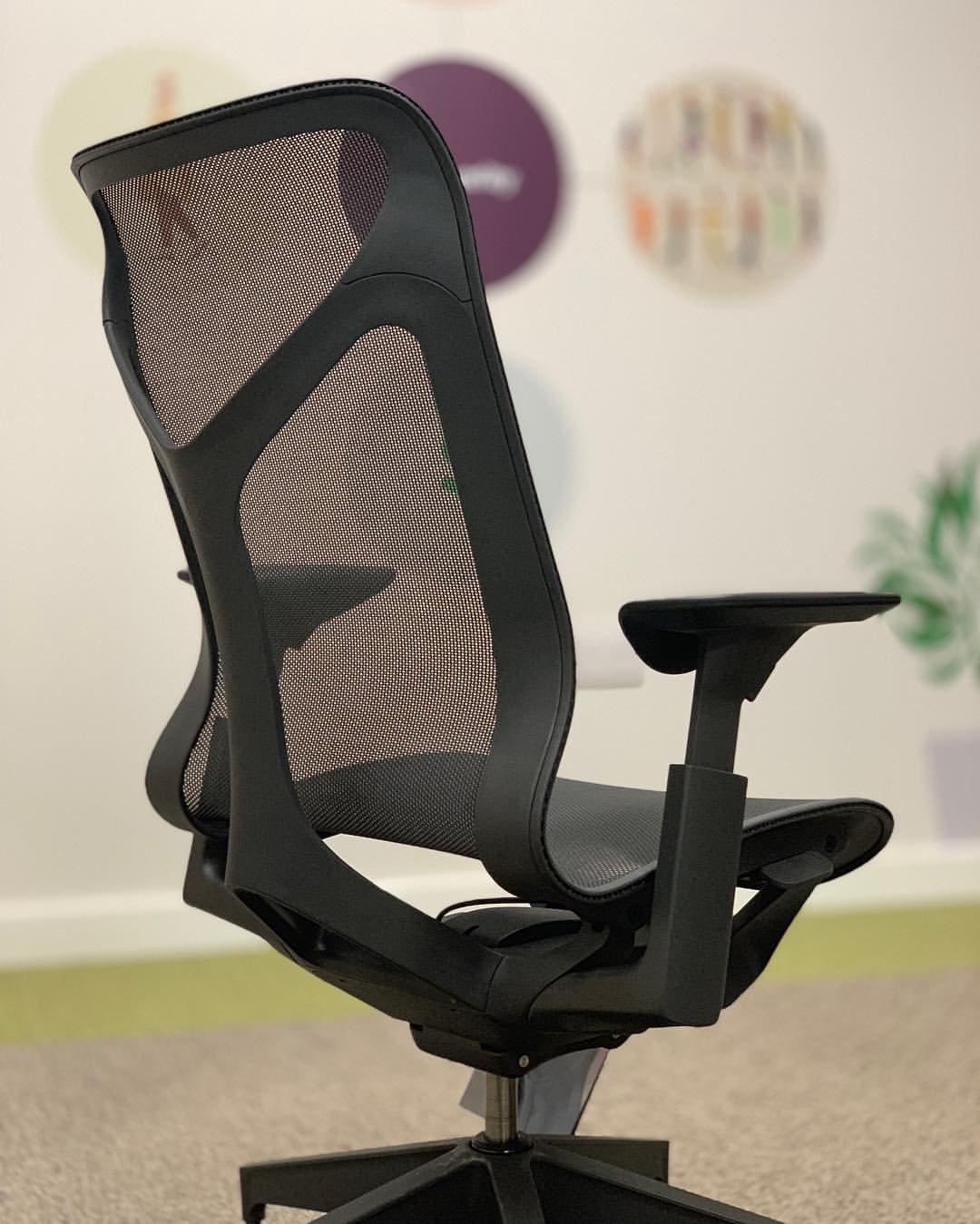
Measure yourself seated, then demand a seat wider than that number — 21 inches and up is the big-and-tall standard — with depth that supports the thighs while leaving two to three fingers behind the knees. Armrest spacing matters as much as seat width; fixed narrow arms un-buy an otherwise wide chair.

3. Seat cushion material
Density beats plushness: high-density molded foam (or coil-spring hybrids in the plush tier) keeps supporting after thousands of hours where cheap foam packs flat in months. Bottoming out — feeling the seat pan through the cushion — is the failure to shop against; it’s also why we weight owner reviews from year two, not week one.
4. Strength of construction
A steel or reinforced-nylon five-point base, a heavy-gauge gas cylinder (class 4), and a mechanism plate that doesn’t flex under recline. The frame is where weight ratings live or die — and where the extra money in a real heavy-duty chair actually goes.
5. Solid joints and hinges
Check the bolt points: seat-to-mechanism, back-to-seat, armrest mounts. On a well-built chair they’re metal-into-metal with hardware you can re-torque; on a pretender they’re screws into plastic bosses that strip by spring. Recline locks and tension controls should move firmly, not vaguely.
6. Solid and durable casters
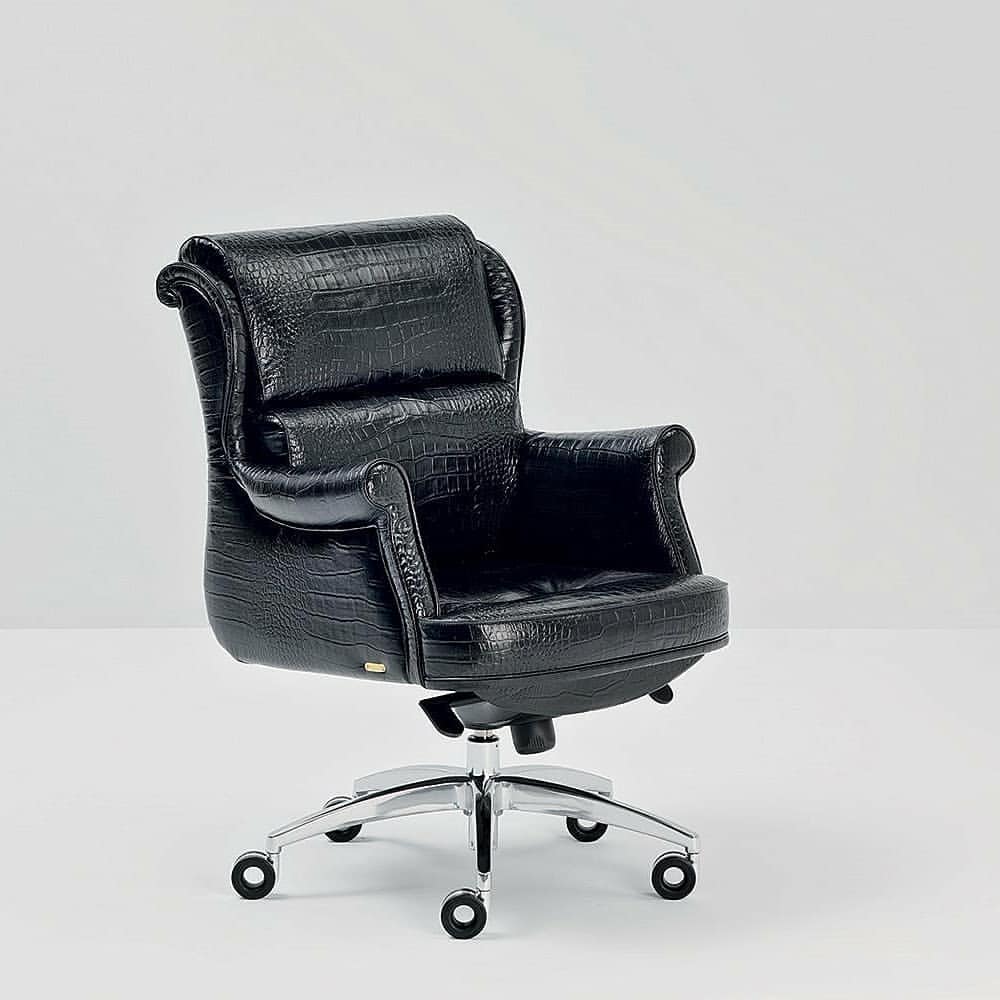
Casters carry the whole load on five small contact patches — heavy-duty chairs deserve 75 mm-plus wheels with metal stems and load ratings of their own. Soft polyurethane treads protect floors and roll quieter under weight (our rubber-wheel explainer covers the upgrade).
Putting it together
Rating with headroom, wide deep seat, dense cushion, steel construction, serviceable joints, rated casters — six checks, in that order. Chairs that pass all six exist at every price from budget executive to commercial mesh, and we keep the live-verified list current in the heavy-person rankings, with wider-fit picks in our wide-seat guide and the Clatina big-and-tall review.
Last updated: August 23, 2026 — full 2026 refresh: spec targets made concrete (capacity margins, seat widths, caster sizes), verified-rankings links updated, original photography retained.
















![[Stand Up Desk Store] Crank Adjustable Sit to Stand Two-Tier Desk with Steel Frame Review](https://wfhworld.com/wp-content/uploads/2019/09/Standupdeskstore-100x70.jpg "Stand Up Desk Store Crank Two-Tier Review (2026): The Crank Desk That Endures")