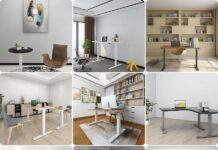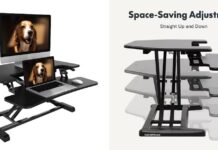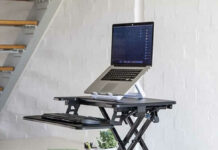

The standing desk went from office curiosity to default equipment in under a decade — but the honest case for it was never “sitting is the new smoking.” This guide, refreshed for 2026, lays out both sides of the ledger: what a standing desk genuinely improves, where the hype outran the evidence, and how to work around every real drawback on the list.
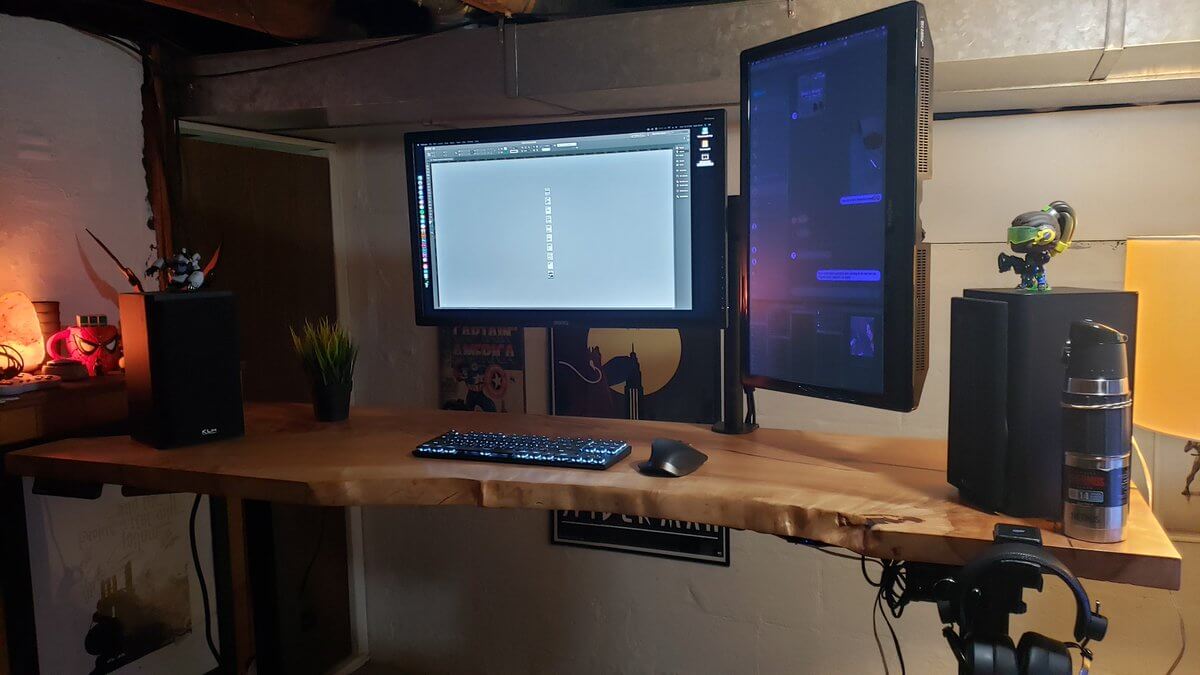
The good side — why we use standing desks
It nudges your energy expenditure the right way
Standing burns modestly more than sitting — think single-digit extra calories per hour, not a workout replacement. The honest math still adds up over a working year, but the real win is behavioral: people who stand fidget, shift, pace, and take the stairs more. The desk doesn’t melt fat; it tilts your whole day toward movement. (Our evidence check on standing desk benefits goes through the actual studies.)
It helps keep metabolic markers in check
Long unbroken sitting is associated with worse blood-sugar and lipid behavior; breaking it up — which is exactly what a sit-stand desk makes frictionless — measurably helps, particularly the post-lunch glucose slump. Standing isn’t exercise, but it’s meaningfully better than another motionless hour in the chair.
Steady energy through the day
Better circulation, engaged legs, no post-lunch slump in a slouch — the alert-afternoon effect is the benefit standing-desk owners report most consistently. It’s also simply hard to doze at a standing desk, and easy to sneak in stretches or a few calf raises between calls.
It can improve your mood
Light movement throughout the day is one of the better-documented mood levers there is: less stiffness, better circulation, a small but real dent in stress and afternoon burnout. Nobody’s claiming a desk cures anything — but the “I just feel better on standing days” report from long-term users is too common to dismiss.
You interact more naturally with colleagues
Standing puts you at eye level with a room. It’s easier to wave someone over, easier to pop into a conversation, easier to leave your desk — office-culture research keeps finding that these micro-interactions carry team mood more than the big meetings do.
Better posture and a more engaged core
Standing with a properly set desk height takes the C-shaped slouch out of your day and asks your core and glutes to do quiet work. Give it a couple of weeks and the difference shows up when you sit back down — you catch yourself slouching faster. (Set the height right first: our desk height calculator has the elbow rule.)
Productivity holds up — and usually improves
The early fear was that standing would distract from deep work. The lived result for most people is the opposite: more alertness, fewer drowsy stretches, no measurable typing or focus penalty once the setup fits. The desk pays for itself in reclaimed 3pm hours.
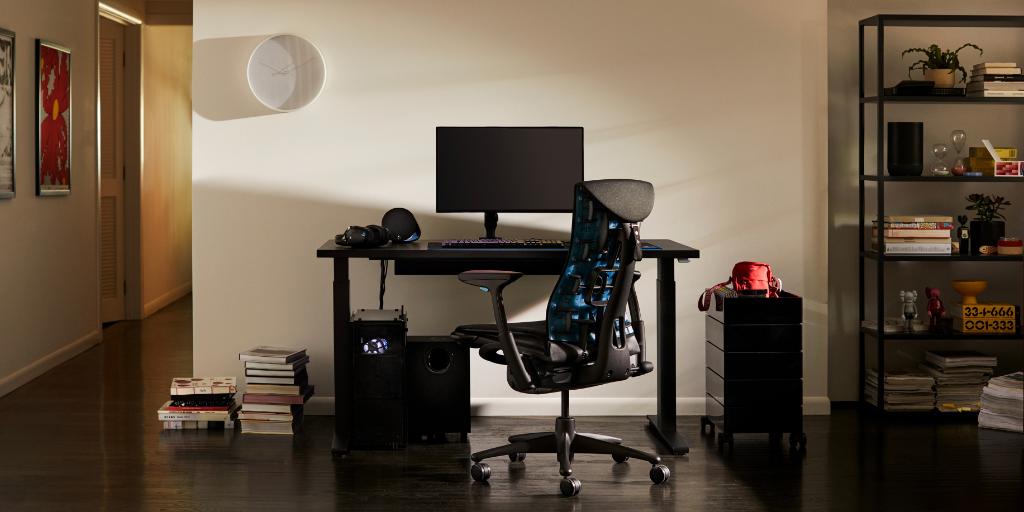
The cons — and how to fix every one of them
1. Standing still isn’t the point
A statue at a standing desk gains little over a statue in a chair. The benefit lives in the micro-movements — weight shifts, position changes, a lap around the desk between tasks. Treat the desk as permission to move, not a new place to freeze. Our six standing-desk habits guide turns this into a routine that sticks.
2. All-day standing hurts backs too
Swap eight hours of sitting for eight hours of standing and your spine will file the same complaint from the other direction. The fix is the whole point of sit-stand hardware: alternate. Most people land around 30-to-60-minute rotations, with a proper chair or a perching stool (see our ergonomic stool roundup) as the third gear.
3. Foot and leg fatigue
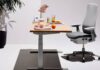
Real, and completely manageable: rotate positions, wear supportive shoes, and put an anti-fatigue mat under the standing phase — it’s the highest value-per-dollar accessory in the category (our standing desk mat guide covers the verified picks).
4. Heels and hard dress shoes stop making sense
Standing hours in high heels is a genuinely bad idea — the support and cushioning aren’t there. Committed standers keep a pair of cushioned flats or supportive sneakers at the desk, stand on a mat, or quietly go barefoot at home. Consider it a wardrobe footnote to a health upgrade.
5. Laptops get awkward at standing height
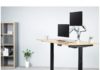
A bare laptop forces your neck down no matter how perfect the desk height is. The fix is separation: an external monitor (or a laptop riser plus keyboard) so your eyes get screen-top-at-eye-level while your elbows keep their 90 degrees. Our accessories guide ranks the pieces in priority order.
6. It costs more than a plain desk
True — electric lift, memory presets, and a stable frame cost real money. But the entry tier has collapsed in price: the budget picks in our standing desk rankings now cost less than a decent office chair, and the DIY route (frame plus your own top — see the frame guide) trims it further.
7. There’s a break-in period
Going from full-time sitting to enthusiastic all-day standing in one week is how people end up hating their new desk. Ramp up like any other habit: an hour or two a day at first, added gradually, with the mat down and the shoes right. Within a few weeks the rotation stops feeling like effort.
Conclusion
The advantages are real, the disadvantages all have known fixes, and the honest framing is this: a standing desk’s job isn’t to make you stand — it’s to stop any single posture from owning your whole day. Buy one for the movement it unlocks, pair it with the mat and the habits, and it earns its desk space for a decade.
Last updated: August 30, 2026 — full 2026 refresh: guidance modernized against current evidence, internal links updated, original imagery retained.