

Rubber casters carry your whole working day — you, the chair, and ten thousand small rolls between monitor and filing cabinet — and they’ll do it silently for years if you treat them right. This is the practical companion to our why-rubber-wheels explainer: how to use and care for them, refreshed for 2026.
Why rubber wheels earn the care
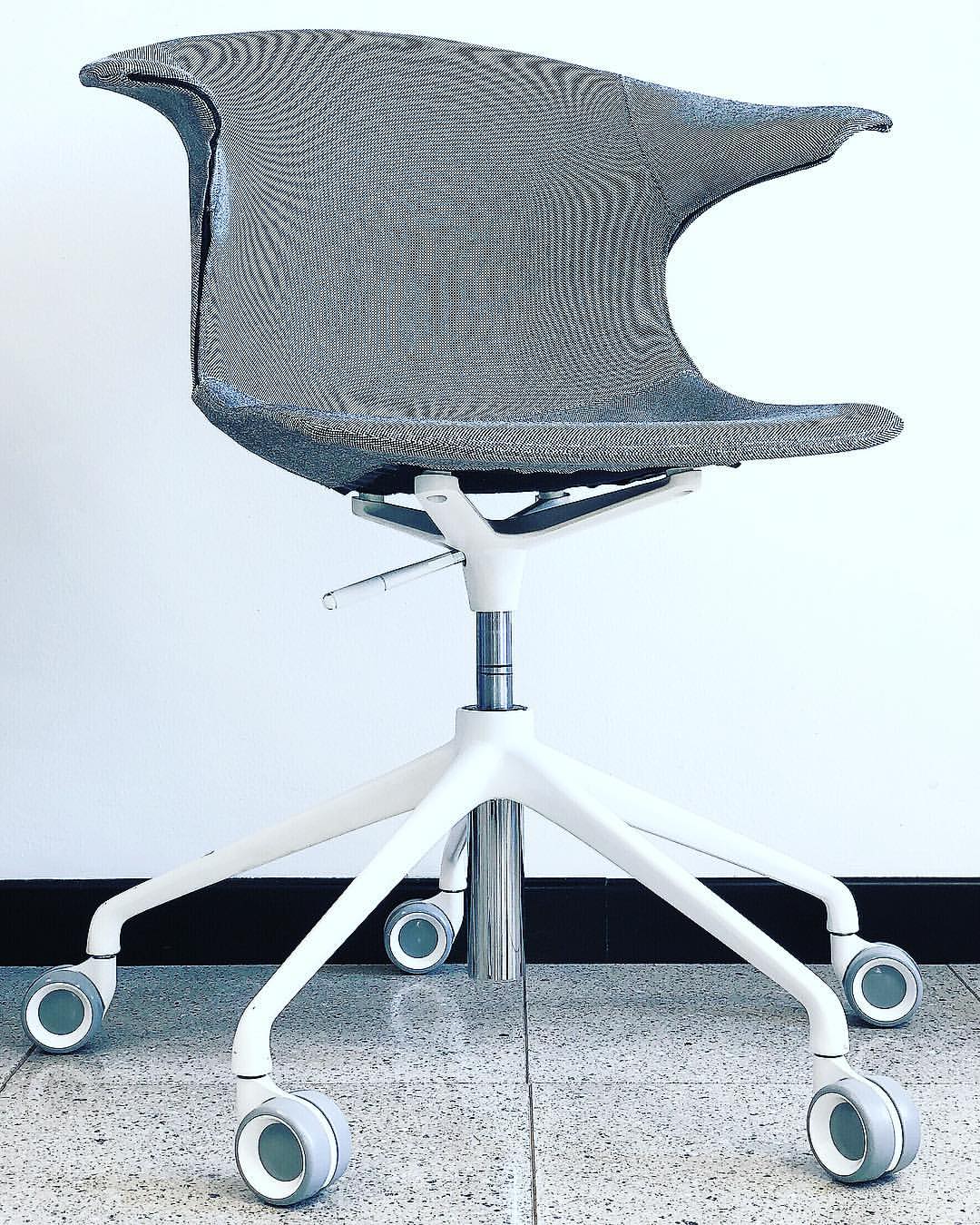
Noise reduction: soft treads absorb the clatter hard nylon broadcasts through hard floors — the difference is obvious in an apartment or on a call. Grip: rubber’s higher coefficient of friction means the chair rolls when you push and stays when you stand, instead of skating off on tile. Corrosion resistance: rubber and polyurethane shrug off moisture and cleaning chemicals that pit steel casters, which matters more than it sounds in kitchens-turned-offices. The same qualities serve casters under sit-stand desks and mobile file cabinets — our filing cabinet guide covers the rolling-pedestal side.
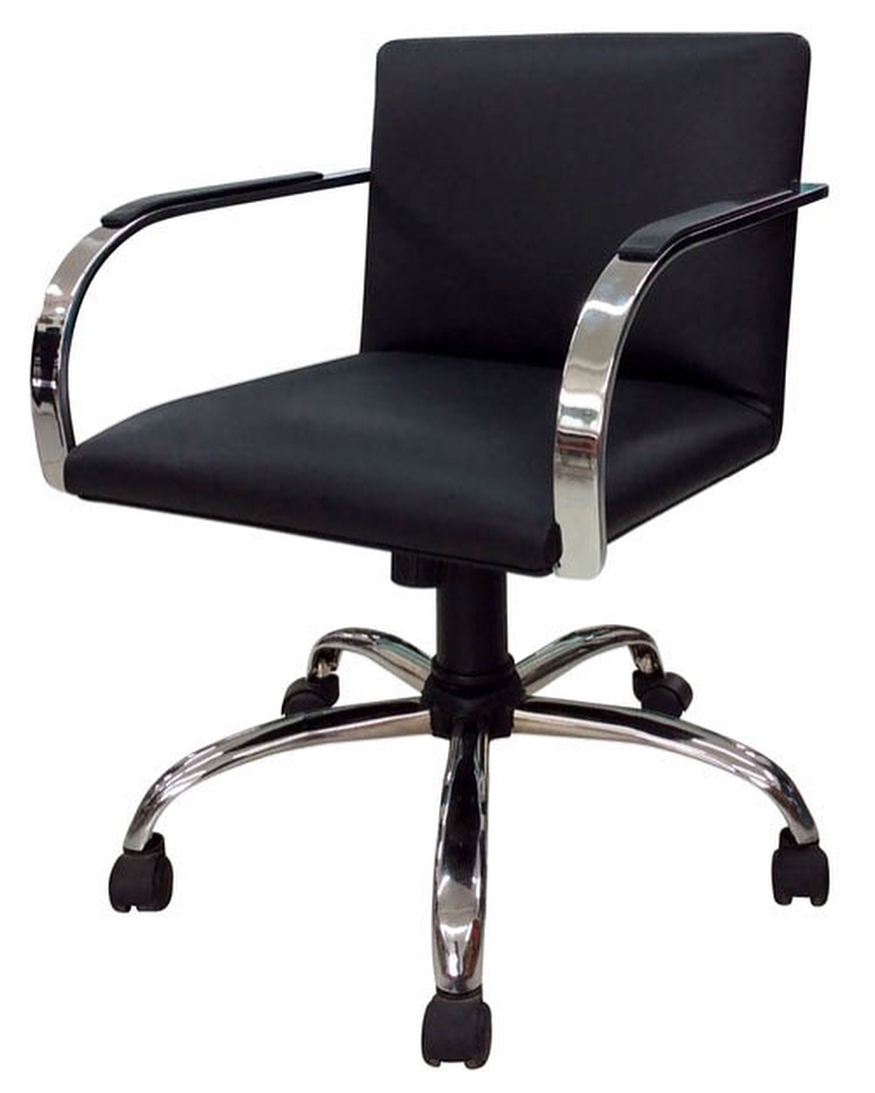
Care for rubber wheels: the routine
Check the fasteners. Quarterly, flip the chair and confirm each caster stem sits fully seated in the base and the base bolts are tight — a half-popped stem is how casters snap under side-load.
Clean the axles, then lubricate. Hair and carpet fiber wrap the axle until the wheel drags. Pull the wrap out (tweezers or a utility knife’s spine), wipe the axle, then a small shot of silicone spray on axle and swivel raceway. Skip oil-based lube on carpet — it becomes a dust magnet.
Don’t overload them. Casters carry a rating just like the chair. Leaning back two-wheeled, standing on the chair, or rolling a loaded chair over thresholds hammers loads the tread wasn’t built for; flat-spotted rubber never rolls right again.
Match the floor covering. Soft wheels need no mat on hardwood, tile, laminate, or vinyl — that’s their point. On thick plush carpet they roll reluctantly; there, either a firm mat under the chair zone or hard-tread carpet casters is the right call. Under a sit-stand desk, keep the mat clear of the desk feet so the frame stays level (desk-side details in our standing desk guide).
When to replace
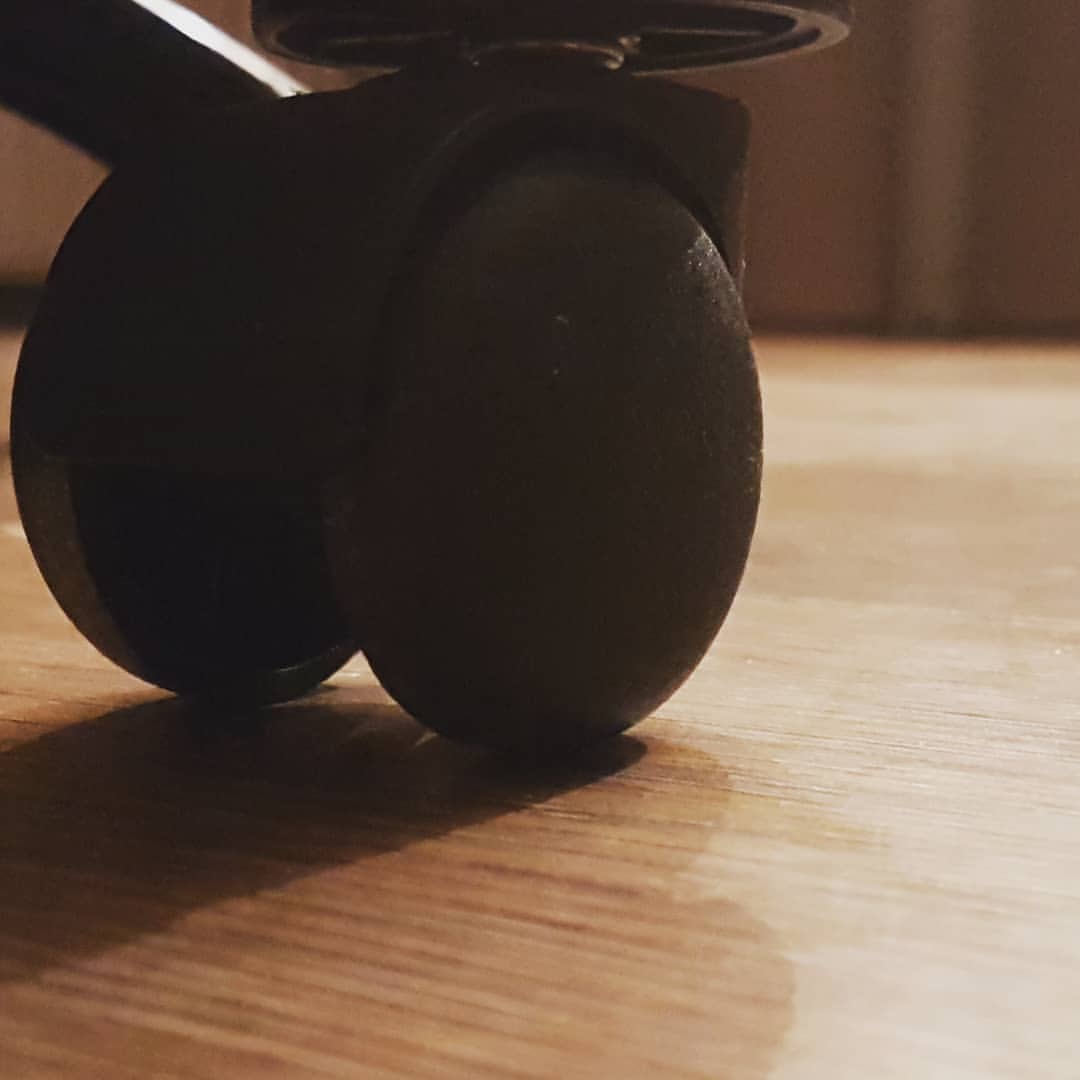
Cracked tread, a wheel that thumps once per revolution (flat spot), or a swivel that sticks after cleaning — any of these means the caster is done. Replacement is a two-minute pull-and-press job on the standard 11 mm × 22 mm grip-ring stem, and a quality set costs $20–40. Replace all five together; mixed old and new casters steer like a bad shopping cart.
Bottom line
Use rubber-wheeled chairs on the hard floors they’re made for, keep the axles clean and the loads honest, and the quietest part of your office stays that way for the chair’s whole life.
Last updated: August 23, 2026 — full 2026 refresh: care routine made concrete, floor-matching guidance updated, internal resources linked, original photography retained.