
Casters are the most ignored spec on any office chair — until they gouge a hardwood floor or squeak through a video call. This is our long-standing case for rubber (and polyurethane) wheels, refreshed for 2026: why the soft-wheel upgrade is the best $20–40 you can spend on a chair you already own.
What rubber wheels actually fix
Floor protection. Hard nylon casters — the black plastic default on most chairs — concentrate load on a rigid edge that scratches hardwood, scuffs vinyl, and chews laminate. Soft rubber and polyurethane treads spread the load and grip without abrading, which is why they’re safe on tile, concrete, vinyl, laminate, hardwood, and carpet alike.
Silence. Soft treads roll whisper-quiet where hard casters clatter — a small thing that stops being small in shared apartments, on calls, and in offices with hard floors.
Effortless, controlled rolling. Quality rubber casters roll smoothly under load but don’t skate away when you stand up; cheap hard wheels manage the opposite on both counts. Sticking, squeaking casters are a genuine daily distraction — and a solved problem.
No more chair mat. The plastic mat exists to protect floors from hard wheels. Soft wheels retire it — along with the mat’s curling edges and its habit of yellowing with age.
Durability. Good rubber or PU casters outlast the nylon originals: the tread wears gracefully instead of cracking, and most are rated far beyond a chair’s own weight capacity.
Rubber vs. polyurethane, quickly
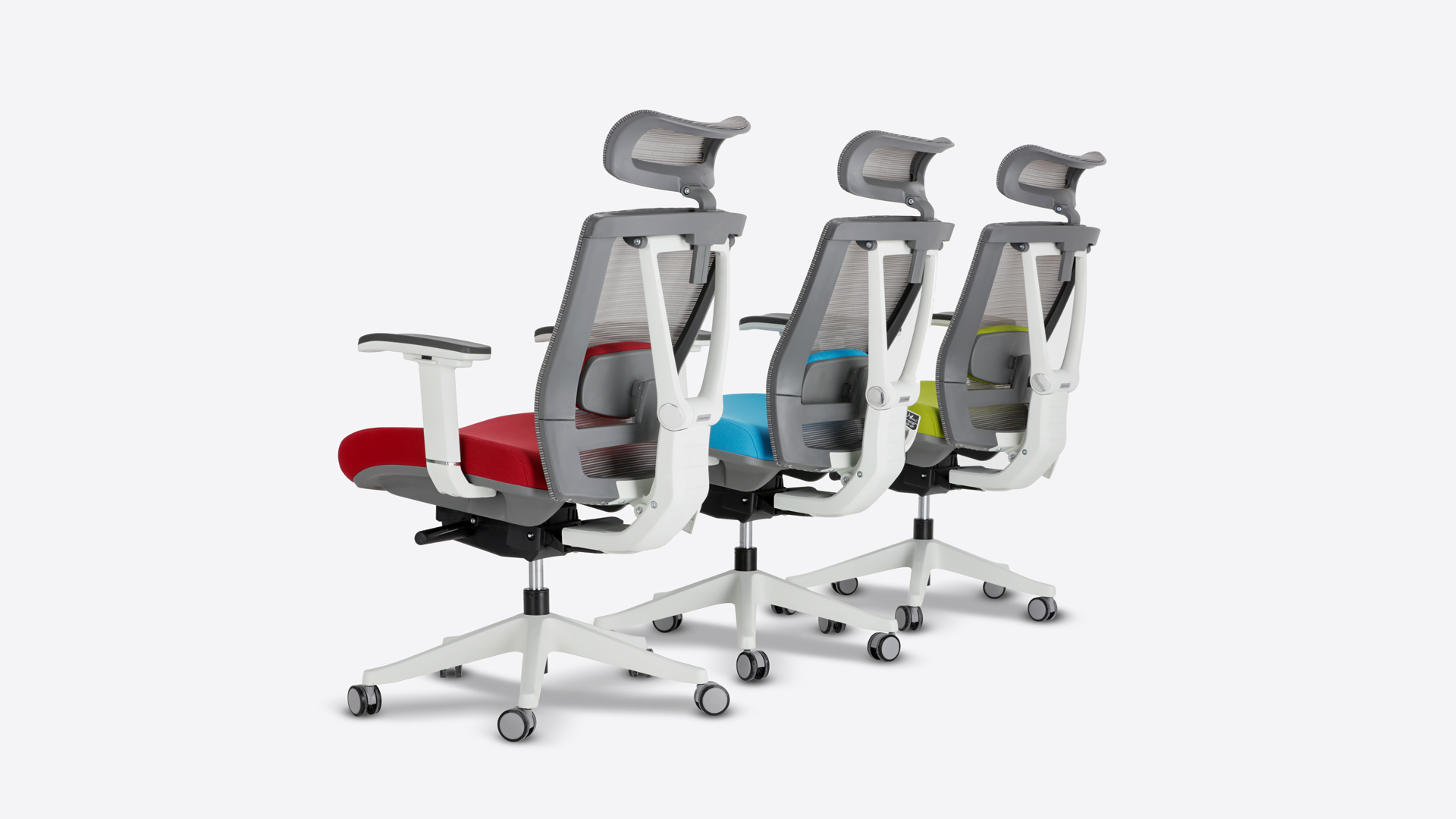
They solve the same problem; PU is the harder-wearing, furniture-grade version of the idea — most premium “rollerblade-style” casters use it (the quiet wheels we praised on the Duramont are exactly this type). Pure rubber runs slightly softer and quieter on hard tile. Either beats stock nylon everywhere except thick plush carpet, where hard casters still roll a little easier.
Upgrading is a two-minute job
Nearly all office chairs use a standard 11 mm × 22 mm grip-ring stem: pull the old casters out by hand (or with a flat screwdriver’s help), press the new ones in until they click. No tools, no risk — just check your chair’s stem size once before ordering a set. Buy casters rated for your chair’s weight class, and if the whole chair is due for replacement anyway, our under-$500 rankings flag models that ship with quality wheels out of the box.
Bottom line
Rubber-wheeled chairs protect the floor, drop the noise, retire the mat, and roll the way a chair should. Whether you buy a chair that comes with soft wheels or press a $25 set into the one you have, it’s the rare upgrade with zero downside — and your floors are the proof.
Last updated: August 23, 2026 — full 2026 refresh: rubber-vs-PU guidance added, upgrade instructions clarified, internal links updated, original photography retained.