
Standing desks went mainstream on a health promise — slimmer waistline, saved spine, longer life. Refreshing this explainer for 2026, we held each claim up to what the evidence actually supports. Short version: most of the claims are real but smaller than the marketing said, one is genuinely strong, and the biggest benefit was never about standing at all.
Companion reading: our evidence check on standing desk benefits goes study-by-study, and the desk rankings cover the hardware side.
Claim #1: A standing desk can make you lose weight
Standing burns more than sitting — but modestly: the honest per-hour difference is small, varying with your height, weight, and age. The mechanism is real (standing activates the leg muscles, and muscle at work spends energy), yet nobody stands their way to a new waistline. What actually moves the needle is what standing unlocks: people at standing desks fidget, shift weight, pace on calls, and sneak in calf raises — and that accumulated movement is where the calories genuinely go. Verdict: true, with an asterisk the size of a chicken sandwich.
Claim #2: Standing desks can help reduce back pain
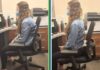
Prolonged sitting hurts backs by two mechanisms. It promotes slouching — the C-curve that loads your spinal discs unevenly and leaves the whole back stiff and sore by evening. And it restricts blood flow through the glutes and thighs, which matters more than it sounds: the glute muscles are spinal support staff, and hours of compression leave them switched off and tight. Alternating into standing interrupts both — posture resets, blood moves, the discs get load variety. Verdict: true, with the crucial caveat that all-day standing eventually files its own back complaint; the medicine is the alternation, not the standing.
Claim #3: Standing desks can help reduce neck pain
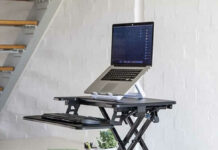
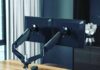
The seated “forward head position” — chin drifting toward the monitor hour after hour — is behind most desk-worker neck pain. Standing tends to reset it, because a properly set standing height brings the screen up and your head back over your shoulders. Verdict: true if the monitor rises with you; a laptop at standing height without a riser just relocates the same neck angle. (Screen-top at eye level — our height guide has the numbers.)
Claim #4: Standing desks reduce the risk of cardiovascular disease
This is really a claim about interrupting sedentary time, and it’s the strongest one on the page. Long unbroken sitting is consistently associated with worse cardiovascular and metabolic outcomes — sluggish circulation, poorer blood-sugar handling after meals, unhappier lipid numbers. Breaking up sitting with regular standing and light movement measurably improves the post-meal glucose picture and keeps circulation working; more muscle in daily use means sugar and fat get burned more efficiently. Verdict: standing desks help exactly insofar as they break up sedentary time — which, used properly, they do all day long. (They complement, never replace, the boring heroes: real exercise and a diet that trades the cola for tea.)
Claim #5: Standing desks make you more energetic and happier
Better circulation means better oxygen delivery, and the brain notices first: fewer yawning spells, no post-lunch fog, a steadier afternoon. This is the benefit long-term owners defend most fiercely, and the physiology backs the anecdotes. Verdict: true — especially if you move rather than merely stand.
The other costs of prolonged sitting
A few less-advertised complaints track with marathon sitting, all through the same pressure-and-weak-muscles mechanics. Constipation: the hunched sit compresses the abdomen and weakens the muscles that keep things moving; standing and walking are old, effective medicine here. Stress incontinence: chronic abdominal pressure plus disengaged pelvic-floor muscles is why a hard laugh can catch you off guard — movement re-engages what sitting switches off. Acid reflux: pressure on a full stomach pushes acid the wrong way; your mother’s rule about not slumping after a meal was gastroenterology all along.
Making the healthy claims come true at your desk
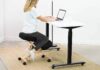
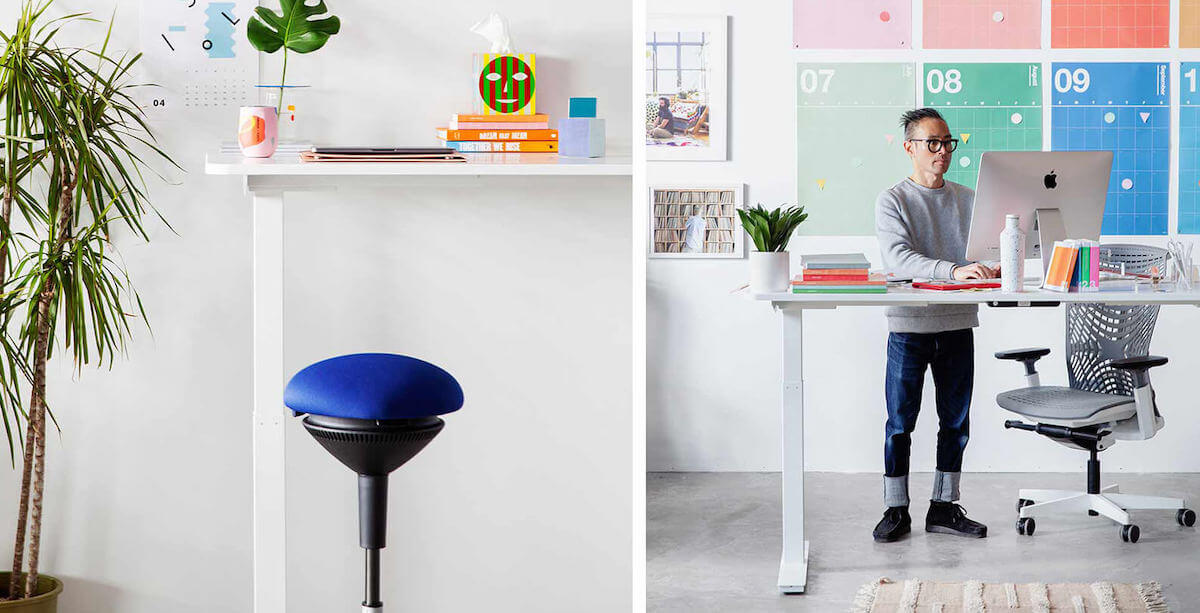
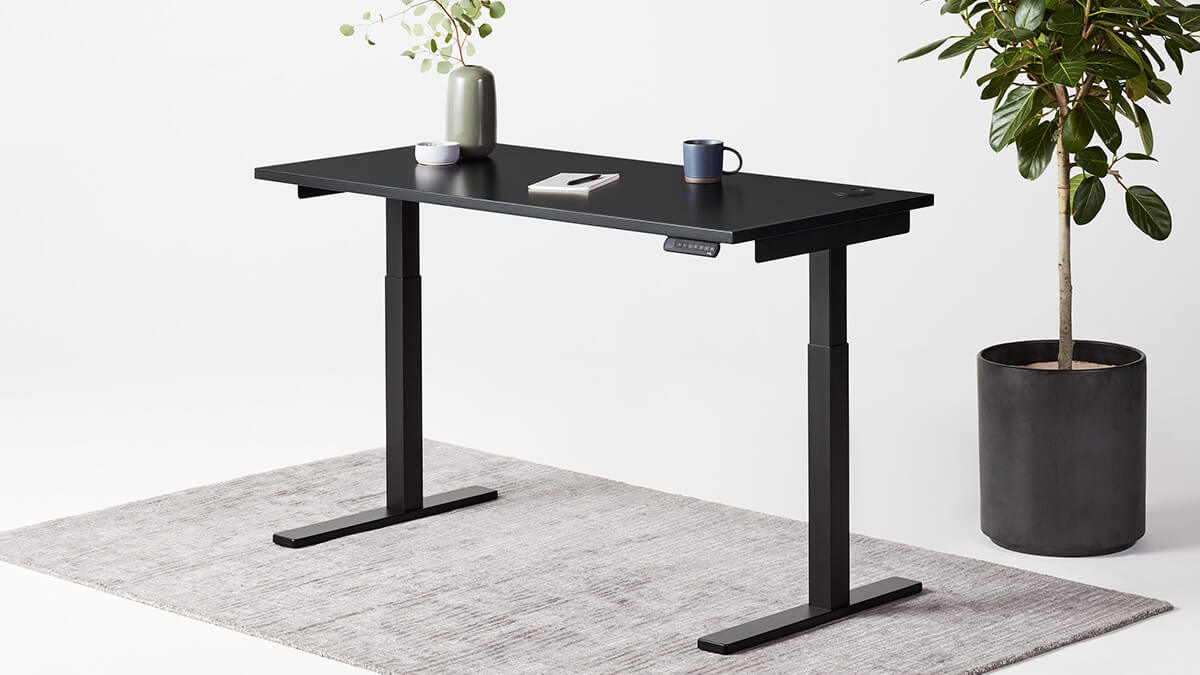
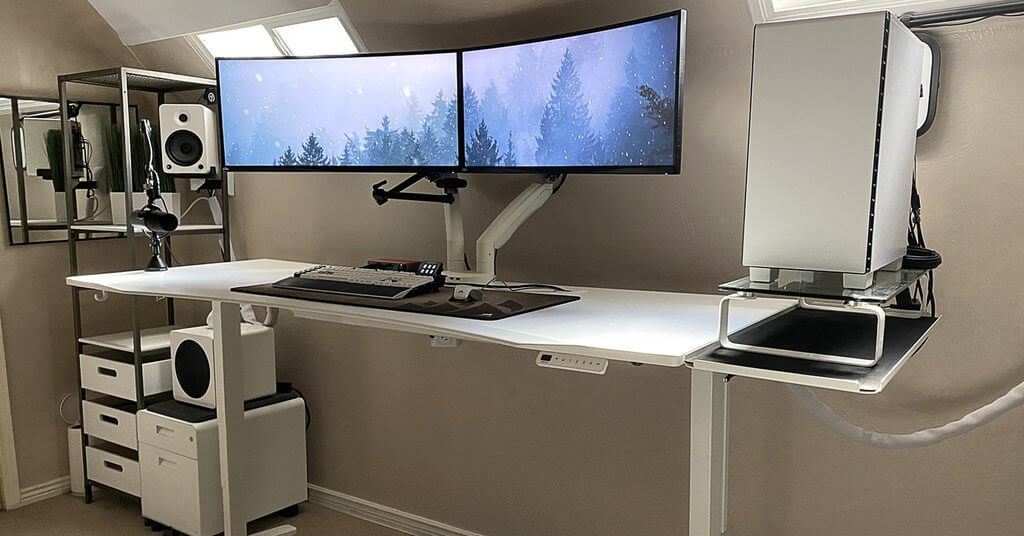
Four rules turn the marketing into results. Diet and real exercise still outrank any furniture — the desk supplements, never substitutes. Ramp up gradually — alternate sitting and standing until your body acclimates, because day-one heroics end in sore feet and a abandoned habit. Infuse movement — the desk’s job is to make motion frictionless, so take the invitation. And manage the early discomfort honestly: rotate positions, and pair the desk with an anti-fatigue mat (our mat guide) or a perching stool from the stool roundup if your feet complain.
Final say
So — are standing desks healthy? Yes, honestly yes: not as a miracle, but as the piece of furniture that stops any one posture from owning your day. Too much of anything is bad, sitting included, standing included. The desk that lets you trade between them, used with the habits above, is the healthiest desk there is.
Last updated: August 30, 2026 — full 2026 refresh: guidance modernized against current evidence, internal links updated, original imagery retained.