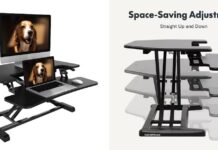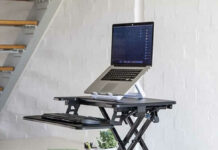

“Sitting is the new smoking” sold a lot of desks — and buried the honest answer under marketing. This is our evidence check, kept current since the work-from-home boom: five big claims the industry makes, what the research actually supports in 2026, and the five user mistakes that waste a good desk. Short version: yes, a standing desk is good for you — for different reasons than the ads say.
Claim #1: Standing desks help you lose weight
Mostly hype. Standing burns only modestly more than sitting — on the order of a few extra calories per minute-fraction, adding up to roughly a light snack per day of diligent standing. No credible study shows meaningful weight loss from a desk alone. What standing does do is keep low-grade movement in the day, which supports an active routine; it doesn’t replace one.
Claim #2: They reduce stress and anxiety
Plausible, softly supported. Owners in workplace studies self-report better mood and energy on sit-stand schedules, and breaking physical stagnation genuinely fights the afternoon fog. Treat it as a quality-of-day benefit, not a mental-health treatment.

Claim #3: They make you more productive
Neutral to mildly positive. Typing and mouse precision are unchanged after an adjustment week; call-center and office studies lean toward equal or slightly better output, likely via alertness. Nobody credible shows productivity loss — so take the energy boost and call it even.
Claim #4: They correct bad posture
Half true. The desk interrupts slouching; it doesn’t install posture. Standing tends to organize the spine better than couch-mode sitting, but only if the height is set right — elbows near 90, screen at eye level (our height calculator guide does the math in thirty seconds).
Claim #5: They reduce diabetes, obesity, and heart risk
The real one — with a catch. The strongest evidence in the category: breaking up long sitting blunts post-meal blood-sugar spikes and improves circulation markers, and long unbroken sitting correlates with the metabolic risks everyone cites. The catch: the benefit comes from the breaks, not from heroic all-day standing, which trades in its own problems (feet, knees, veins).
So — hype or worth it?
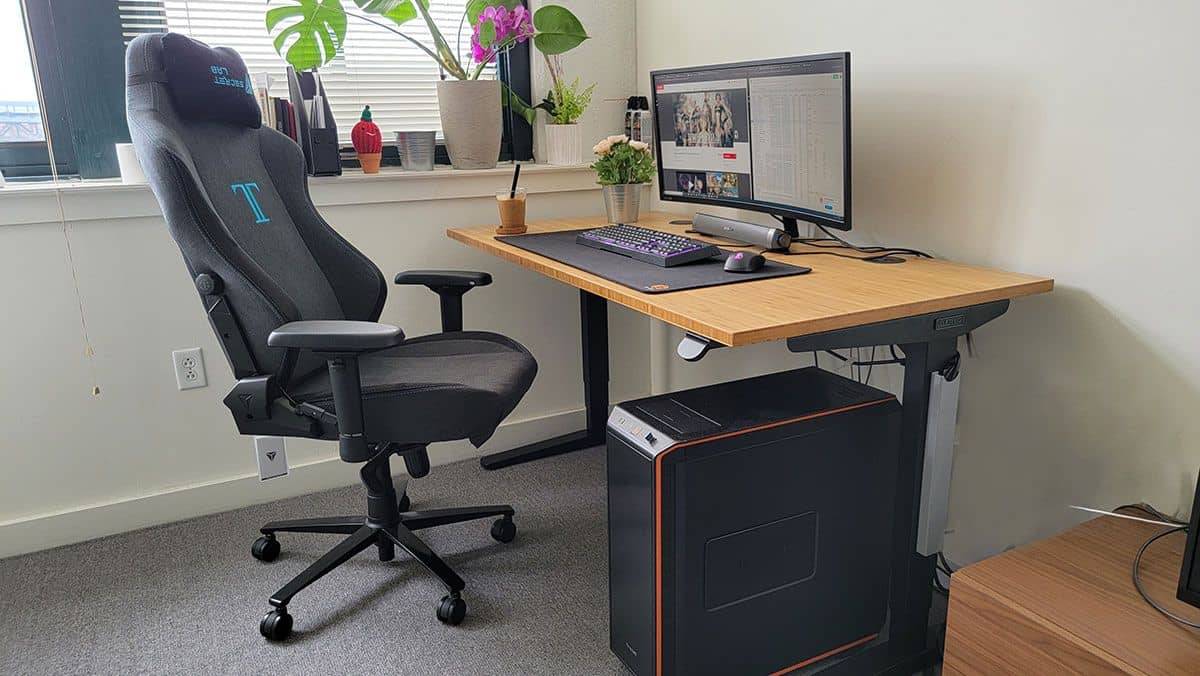
Worth it, honestly framed. The serious reasons: less back and shoulder stiffness (the most consistently reported benefit), better post-lunch alertness, blood-sugar and circulation upsides from sit-stand rotation, and a workday that simply contains more movement. The full benefit rundown lives in benefits of standing desks.
5 mistakes that waste a standing desk
Standing all day — the dose makes the poison; rotate instead. Standing for the wrong tasks — stand for calls, email, reading; sit for precision work until standing feels native. Standing frozen — sway, shift, prop a foot; stillness is the enemy in both postures. Overspending — a solid electric frame no longer costs a fortune, and the best standing desks rankings sort the verified field by budget. Buying it for weight loss — see Claim #1; buy it for your back and your afternoons instead.
Bottom line
A standing desk is good for you the way a good chair is good for you: as equipment that makes healthy behavior convenient. Rotate sitting, standing, and walking, set the heights right, and use our usage habits guide to make it stick — that’s the version of the desk the research actually endorses.
Last updated: August 23, 2026 — full 2026 refresh: all five claims re-checked against current evidence, mistakes section tightened, internal resources updated, original photography retained.