

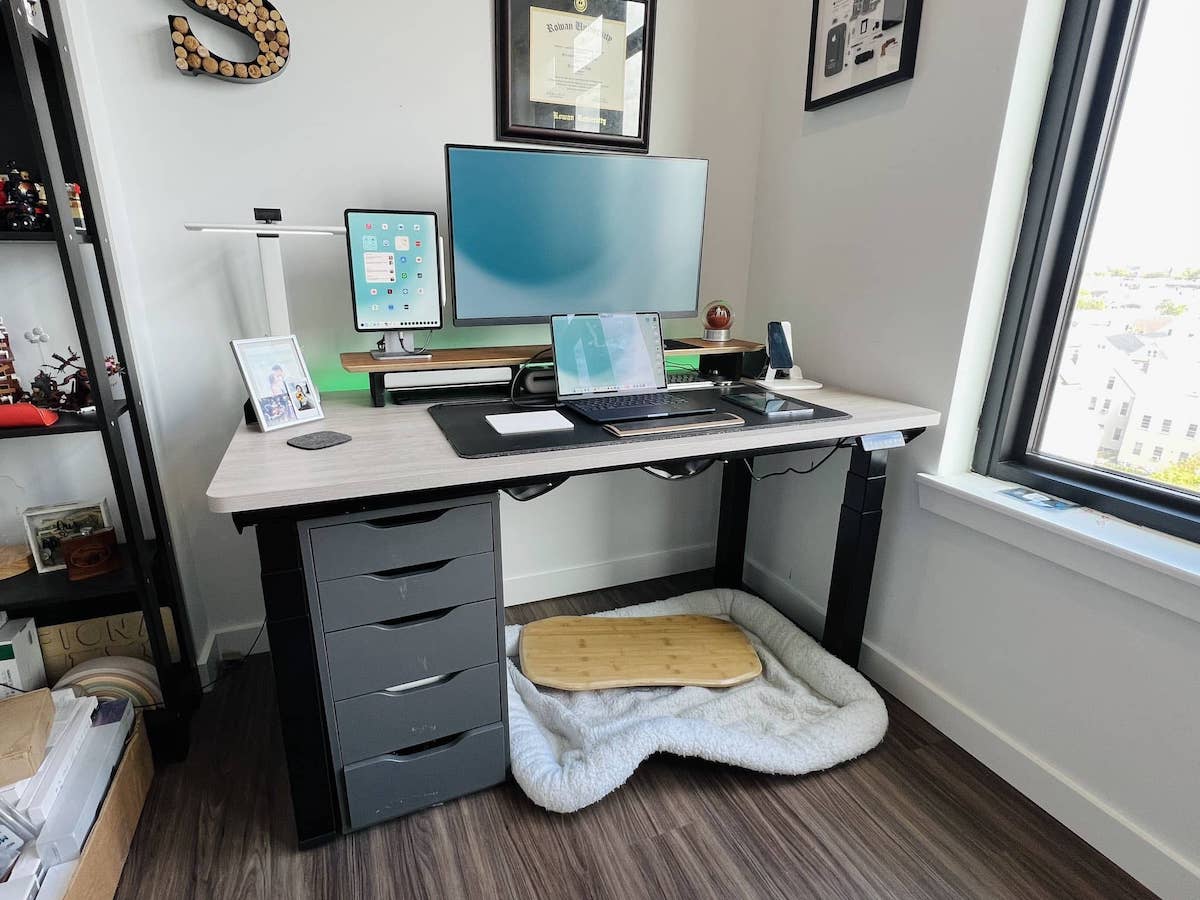
Filing cabinet shopping fails in the last three feet: the cabinet that looked right online doesn’t fit the alcove, the drawers don’t take legal folders, or the thing won’t clear the desk it was meant to slide under. This is our long-running dimensions reference, re-checked for 2026 — the standard sizes, what they hold, and the measurements to take before you buy.
The two families, by the numbers
Vertical cabinets (drawers extend from the short side) are the space-savers. Standard letter-width units run about 15 inches wide and 18 to 28.5 inches deep; legal-width versions run about 18.25 inches wide. Heights step with drawer count: two-drawer units around 28 to 30 inches (under-desk territory), four-drawer around 52 inches, five-drawer up to about 60.
Lateral cabinets (drawers extend from the long side) trade floor width for shallow depth — typically 30, 36, or 42 inches wide and around 18 to 20 inches deep. Two-drawer laterals sit around 28 inches tall and double as printer stands or credenzas; the wide drawers take letter or legal files side-by-side or front-to-back on adjustable rails.

Construction, briefly
The steel standard hasn’t moved: commercial cases run 18-gauge steel with epoxy powder-coat finishes applied electrostatically, follower blocks (compressors) to keep part-filled drawers upright, and — on anything worth owning — full-extension ball-bearing slides. Wood and engineered-wood cabinets trade some durability for looks; fireproof cabinets add insulation that roughly doubles exterior size for the same interior capacity, which is why checking interior dimensions matters most on those (our fireproof cabinet guide covers the trade-off).
Paper sizes and country specs
US cabinets are built around letter (8.5 × 11 in) and legal (8.5 × 14 in) hanging folders. Most of the rest of the world files A4 (210 × 297 mm), and international-market cabinets size their rails accordingly — a US legal drawer takes A4 with rail adjustment, but a letter-only drawer is a squeeze. If you file both, buy drawers with adjustable side-to-side rails; nearly all current laterals and better verticals have them.

The measurements to take at home
Measure the slot width, depth, and height — then subtract: drawers need their full depth again in clearance to open (a 20-inch-deep lateral wants ~40 inches of working room), under-desk units need about an inch under the desk frame, and anything beside a wall needs handle clearance. Check drawer interior depth against your longest folder, and mind weight: a loaded four-drawer vertical passes 300 pounds, so upper floors and moving days deserve planning.
Where to go from here
With your numbers in hand, the buying guides take over: metal cabinets for the commercial-steel route, wooden laterals for furniture that files, and the DEVAISE review for the budget mobile pedestal path — all re-verified this year with live listings.
Last updated: August 23, 2026 — full 2026 refresh: dimension tables re-checked, A4/letter guidance clarified, buying-guide links updated, original photography retained.

![[Review] Top 5 Best Fireproof File Cabinets in 2020](https://wfhworld.com/wp-content/uploads/2020/07/best-file-cabinets-218x150.jpg "Best Fireproof File Cabinets (2026): Which Brands Still Earn the Premium")
















![[Stand Up Desk Store] Crank Adjustable Sit to Stand Two-Tier Desk with Steel Frame Review](https://wfhworld.com/wp-content/uploads/2019/09/Standupdeskstore-100x70.jpg "Stand Up Desk Store Crank Two-Tier Review (2026): The Crank Desk That Endures")