
Metal or wood — the first fork in every filing cabinet hunt, and the one that decides how the next twenty years of ownership feel. We refreshed this comparison for 2026: durability, style, weight, function, and the honest cases where each material is simply the wrong answer.
Companion guides: our best filing cabinet brands roundup and the filing cabinet dimensions reference.
Metal file cabinets
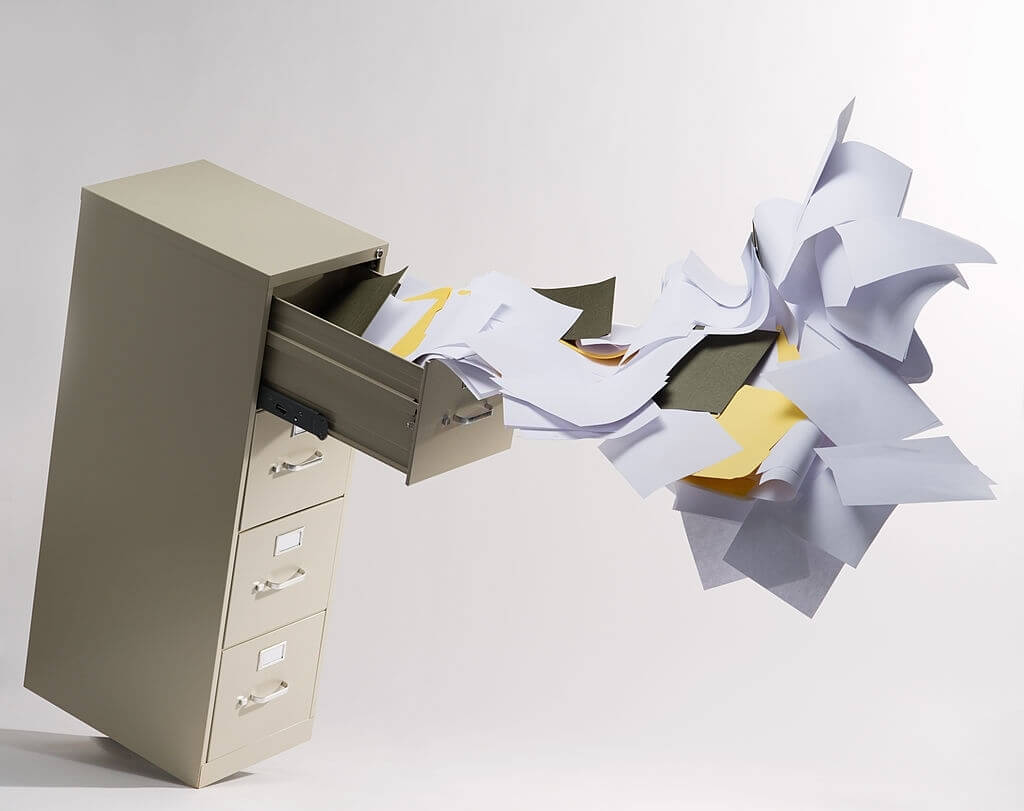
More durable — but age shows, and there’s no makeover
Durability is metal’s headline: a decent steel cabinet shrugs off twenty years of service without staining, chipping, or minding scratches, which is why high-traffic offices and shared document rooms default to it. The fireproof tier is metal-only territory too — if the cabinet’s job includes surviving the worst day, steel with a fire rating is the answer (our fireproof cabinet guide covers that branch). The honest downside: metal can’t hide its age. Dents and drawer-track wear accumulate with the cycles, and unlike wood there’s no sanding, staining, or varnishing your way back — what it looks like at year fifteen is what you keep. Thicker-gauge steel postpones the aging; nothing reverses it.
Limited styles
Aesthetically, metal peaks at “crisp”: a color choice, a drawer-pull choice (curved steel or a polished knob), and that’s roughly the whole canvas. Custom metal cabinets barely exist as a category. If the cabinet must express something, metal is the wrong medium.
More storage per footprint
Steel walls are thin, so a metal cabinet’s interior runs surprisingly close to its exterior dimensions — more file inches per square foot of floor than wood construction can manage.
Lightweight material
Metal is lighter than solid wood, which is why five- and six-drawer verticals exist almost exclusively in steel: tall stacks stay movable. Wood simply can’t play at that height without becoming furniture you never relocate.
More functional
Full-extension drawers — the kind that pull all the way out so the back files present themselves — are a metal specialty. Wood cabinets with true full extension are rare birds; if daily deep-drawer access is your life, metal wins on mechanics alone.
Mass production cuts both ways
Steel cabinets stamp out efficiently, which keeps prices honest — and occasionally lets quality control nap. Inferior units slip through in the budget tier, so buy metal from brands with a reputation to protect, not the cheapest listing in the search results.
Wooden file cabinets

A ton of style
Wood is the canvas metal isn’t: rustic, vintage, modern, classical; oak grain or walnut; painted, stained, or oiled. If the cabinet has to live where people relax — or match a desk you love — wood offers a box-of-chocolates problem metal never will.
Style over function
The trade: wood drawers rarely fully extend, the mechanisms are simpler, and the functional ceiling sits lower than steel’s. Wood cabinets are furniture that files; metal cabinets are filing machines.
Solid wood is heavy
A solid-wood cabinet can defeat two movers. That’s why solid wood tops out around two drawers — stack higher and it becomes architecture. MDF and particle-board builds lighten things (and add drawers), at a durability cost against the real thing.
Scratches easily — but repairs beautifully
Wood chips and scratches faster than steel, and it couldn’t matter less: some wear reads as patina, and the rest sands, stains, or varnishes away. A ten-year-old wood cabinet can leave a weekend looking new — and vintage solid-wood pieces often appreciate while metal ones depreciate. Repairability is wood’s quiet superpower.
Can live anywhere in the house
Metal cabinets belong to offices (and the occasional garage). Wood goes anywhere — a living-room console that secretly files taxes, a bedroom piece, a hallway cabinet. If your “office” is a corner of your home, wood disappears into it gracefully.
Warmth, and quiet
Wood warms a room the way natural materials do, and it operates in silence — no steel-drawer clank reverberating through the house at 7am. Small things, daily things.
The eco question
Steel is endlessly recyclable; wood asks a tree. MDF splits the difference — engineered from wood waste, greener per cabinet, less durable than solid stock. If sustainability ranks high, either recycled-steel or certified/engineered wood beats budget solid lumber.
Metal or wood — which is the best pick?
Choose metal when longevity, capacity, and mechanics rule: decades of service, tall drawer stacks, full-extension access, and the fireproof option — accepting that its aging is one-way. Choose wood when the cabinet has to belong to a room: unmatched style range, endless repairability, warmth, and silence — accepting the weight and the simpler drawers. And remember the overlap: solid wood matches steel for lifespan when you buy quality; it just insists on being lifted by someone else.
Last updated: August 30, 2026 — full 2026 refresh: material comparison modernized, fireproof and eco notes updated, internal links refreshed, original imagery retained.