
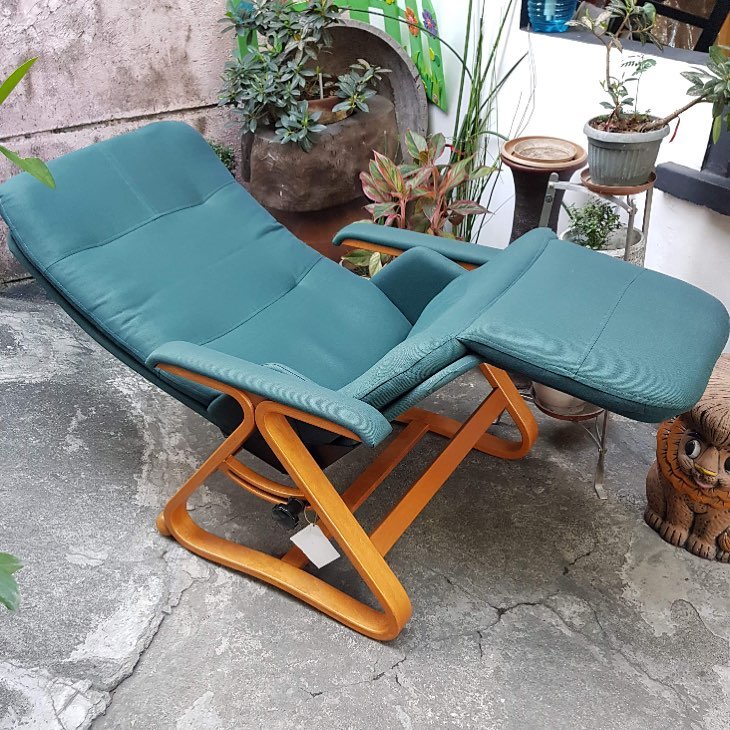
A reclining office chair with a footrest is really two products in one seat: a work chair for upright hours and a recliner for breaks, calls, and the occasional desk-side nap. Choosing a good one comes down to five checks — recline range and lock, footrest build, upright-mode ergonomics, tilt controls, and honest weight ratings — because the category’s classic failure is a chair that lounges beautifully and works terribly. This 2026 refresh keeps the buying framework, retires the dead listings our old examples pointed to (SONGMICS, Merax, HollyHOME — all without buy boxes now), and adds the one example we verified live this month.
Why choose a recliner-with-footrest at all
Three legitimate reasons. Breaks that actually restore: a 120-to-135-degree recline with feet up unloads the spine in a way upright sitting never does — the micro-rest habit our movement-evidence review endorses from the other direction. One chair instead of two: in a small WFH room, the recliner replaces the reading armchair. And circulation: elevating the legs periodically helps the swelling-prone — feet-up breaks beat feet-down marathons.
The five checks that separate keepers from returns
1. Recline range and lock. Look for at least 135 degrees and — non-negotiable — a lock at intermediate angles. Chairs that only spring back turn “recline” into “wrestling.” 2. The footrest itself. Pull-out footrests live under the seat and must be steel-framed; the flimsy ones are the category’s most-returned part. Check the footrest’s rated load and whether it extends far enough for your leg length — tall users routinely find footrests ending mid-calf. 3. Upright-mode ergonomics. This is where recliners fail as office chairs: demand real lumbar support at ninety degrees, a seat that doesn’t pitch you backward, and armrests usable while typing. If you work eight hours upright, weigh a proper task chair from our long-hours rankings plus a separate ottoman instead. 4. Tilt controls. Tension adjustment matched to your weight, controls reachable while seated — flip levers you must stand to reach get used once. 5. Budget honestly. Under $150 buys bonded leather and light-duty frames (fine for nap-first buyers); $150–300 is the category’s sweet spot; above that, consider whether a task chair plus recliner serves better.
The example we verified this month
 amseatec Big and Tall Office Chair with Footrest, Lumbar Support, Black
- 90-135 degree infinite-lock recline with pull-out footrest
- 300 lb rating; 4.3 stars across 1,100+ owners
- Big-and-tall frame at a value price
- Marketplace seller - check the seller line at checkout
- Bonded leather runs warm in summer
The amseatec checks the framework’s boxes at a fair price: 90-to-135-degree infinite-lock recline, a pull-out footrest, high-back lumbar design, and a 300-pound rating carried by 1,100-plus owners at 4.3 stars. It’s the pattern to compare others against — and a reminder that the recliner category’s value tier now overlaps the big-and-tall category, which suits the sturdier frames these chairs need anyway.
What happened to our old examples
All three previous picks — the SONGMICS executive recliner, the Merax high-back, and the HollyHOME swivel — sit in Amazon’s no-default-seller limbo and have been retired, along with an old storefront link that now 404s. The category churns fast at the budget end; that’s exactly why this guide teaches the checks rather than worshiping model names. For nap-first shoppers, our chairs that recline for naps roundup is the sister guide.
Conclusion
Buy the recline range and the footrest steel, verify the chair still works as a chair at ninety degrees, and match the weight rating to reality with margin. Get those right and the recliner-with-footrest genuinely earns its space; get them wrong and you own a bad office chair fused to a bad recliner. The five checks are the whole game.
Last updated: August 22, 2026 — full 2026 refresh: buying framework tightened to five checks, all dead-channel examples retired (SONGMICS, Merax, HollyHOME), verified amseatec example added with live listing.