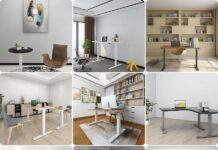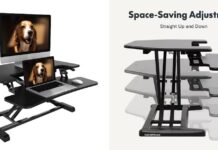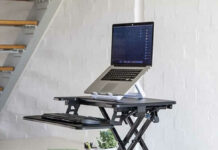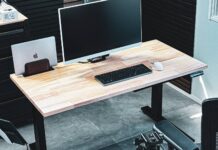

A standing desk doesn’t come with a manual, and it shows: most new owners either stand too much, stand badly, or quietly stop standing at all. This guide has been our answer since the early days, refreshed for 2026 — six habits that make a standing desk feel effortless, plus the classic mistakes that cause the tiredness people wrongly blame on the desk.
The six ways to use a standing desk perfectly
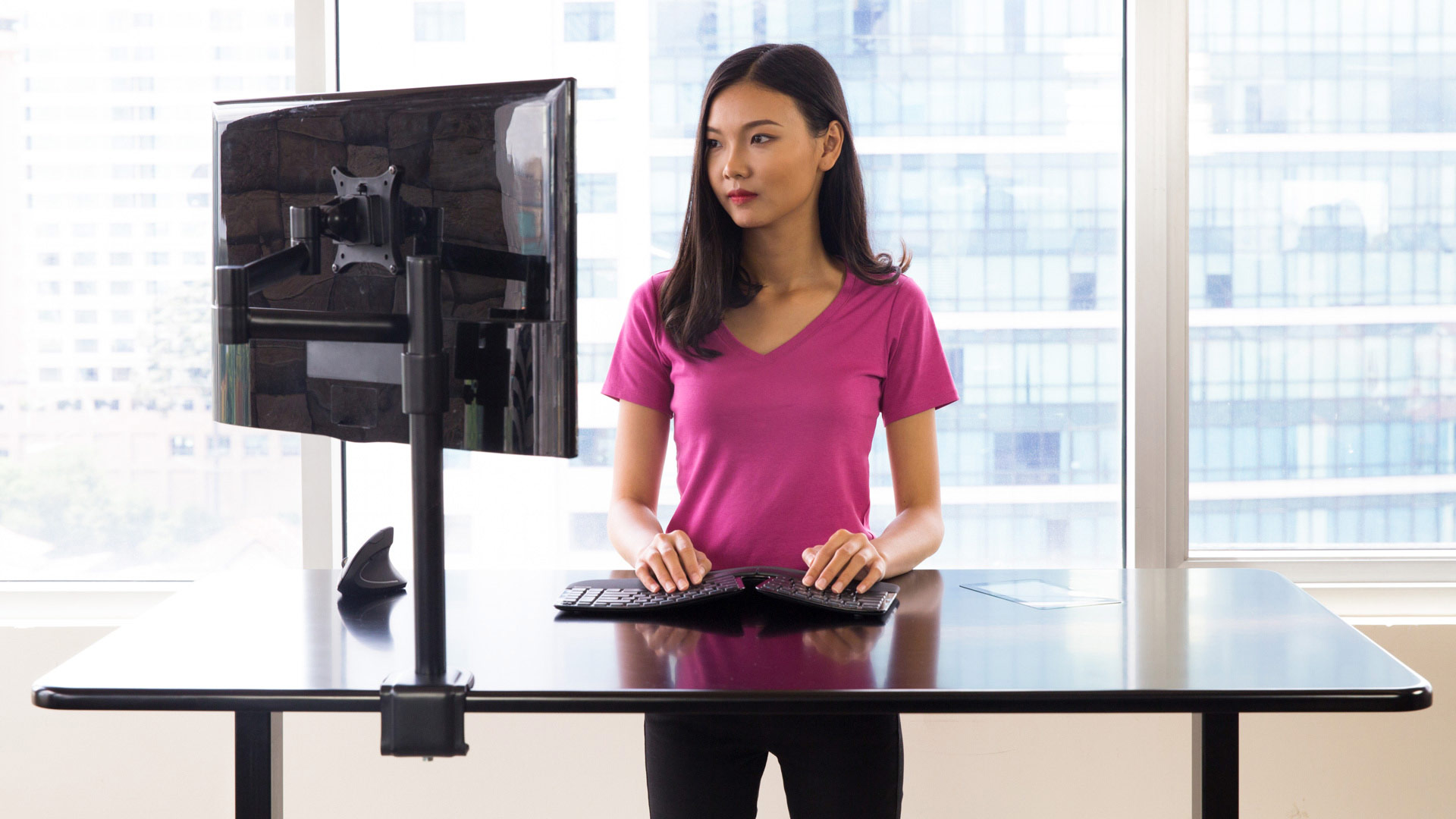
1. Keep your posture honest. Standing height means elbows at roughly 90 degrees, screen top at eye level, shoulders relaxed, weight balanced over both feet. If you’re leaning on the desk like a bar at last call, the desk is too low or the session too long.
2. Change your standing position often. Standing still is just sitting’s stubborn cousin. Shift weight foot to foot, prop one foot on a low rail or box, rock your ankles — micro-movement is where the circulation benefit actually lives.
3. Get an anti-fatigue mat. The cheapest upgrade with the biggest effect: a cushioned mat keeps your feet and knees comfortable and subtly encourages that micro-movement. Our standing desk mat guide keeps the verified picks.
4. Wear real shoes (or stand on real cushioning). Dress shoes with hard soles turn an hour of standing into a foot complaint. Supportive footwear — or the mat above plus comfortable soles — changes the entire experience.
5. Rotate: sit, stand, walk. The desk’s whole point is the switch. A rhythm many owners land on: sit 30–45 minutes, stand 15–30, and add a short walk every couple of hours — refill water, take the call on your feet. The ratio matters less than the rotation happening at all.
6. Stretch during the shift. Two minutes of calves, hips, and shoulders every few hours pays back the whole afternoon. Our desk-worker exercise routine has a no-sweat sequence built for office clothes.
The common mistakes to avoid
Standing too long. All-day standing trades sitting’s problems for its own — sore feet, aching knees, tired lower back. Build up gradually from 20–30 minute sessions. Wrong desk height. Five seconds with the buttons beats a day of shrugged shoulders; set it to your elbows, not to habit (our height calculator guide does the math). Skipping the mat. See habit #3 — it’s the difference-maker people skip to save $30. Standing frozen. Statues get tired; sway. Letting posture decay. The slump follows you up from the chair if you let it — check yourself each time you rise.
Conclusion
Tiredness at a standing desk is almost never the desk — it’s dosage and form. Rotate positions, set the height right, cushion your feet, and keep moving, and the desk becomes what it was supposed to be: the easiest health habit in your workday. If you’re still choosing the desk itself, start with our standing desk buying guide.
Last updated: August 23, 2026 — full 2026 refresh: habits and mistakes consolidated, dosage guidance updated, internal resources linked, original photography retained.