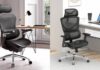

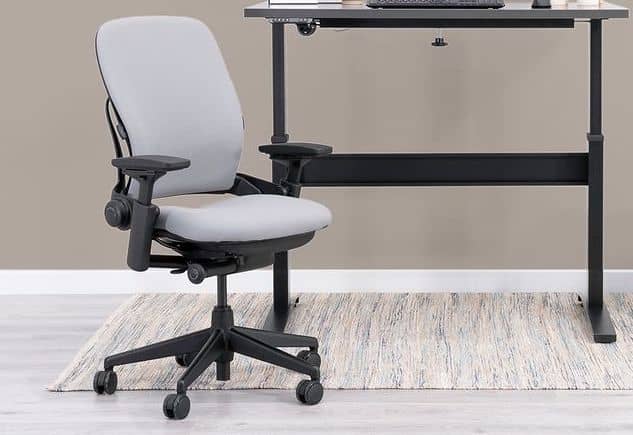
The Steelcase Leap V2 remains one of the most adjustable office chairs ever built, and the one back-pain sufferers keep landing on after trying everything else. Our review, re-verified for 2026, covers what the V2 upgraded over the original Leap, how it stacks against the Gesture and the Embody, and the honest reasons it might not be your chair.
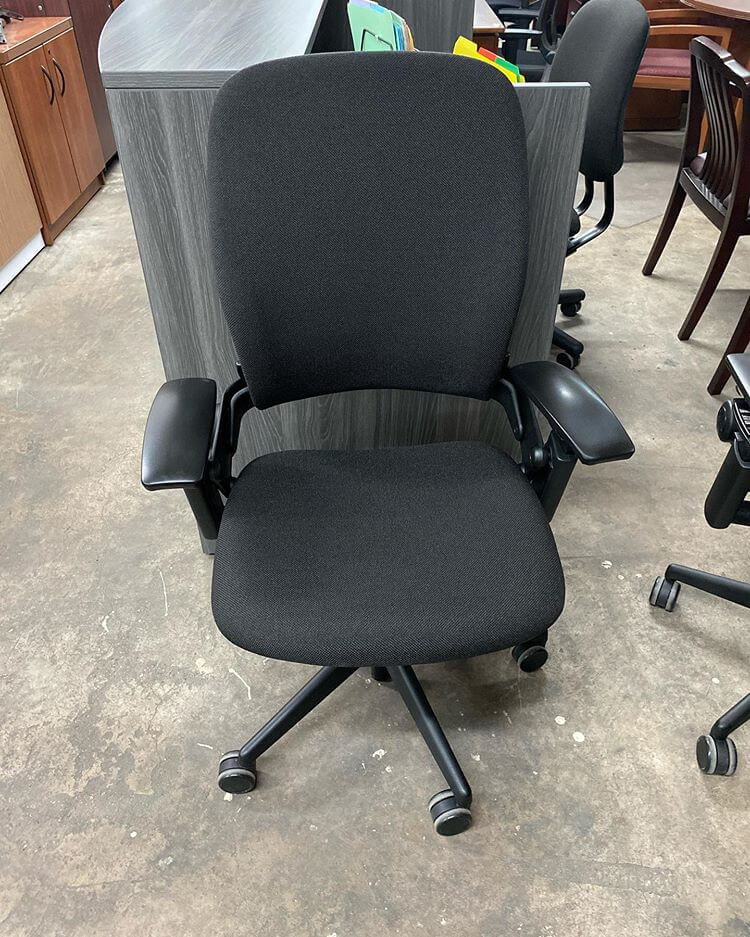
From a known brand: Steelcase
Steelcase has been building office furniture for over a century, and its chair division runs on one obsession: engineering seating that moves with the body instead of against it. The Leap is the company’s workhorse masterpiece — the chair that floods corporate offices, and consequently the refurb market, worldwide — and the V2 is its refined form.
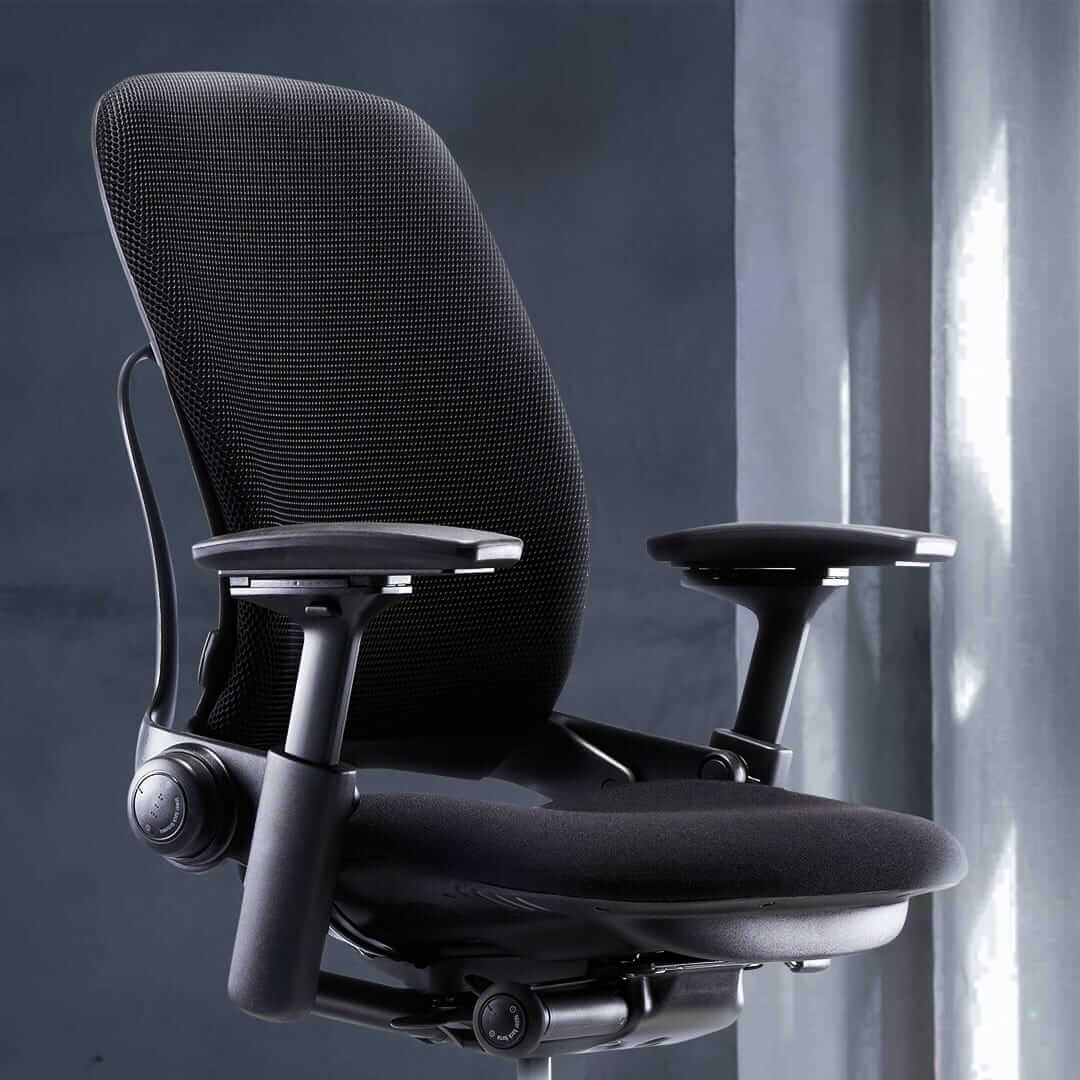
Steelcase Leap vs Leap V2 — which is better?
The original Leap earned its reputation on LiveBack — the backrest that changes shape as your spine moves — plus a cushioned seat and some of the most adjustable armrests in the industry. The V2 keeps every bit of that ergonomic core and adds the refinement: a deeper, better-tuned recline with the seat gliding forward as you lean back, keeping your eyes on the screen and your back supported through the whole arc. If the V2’s modest premium fits the budget, the added tilt behavior is worth it; if you find a well-kept original Leap refurbished, you’re still getting most of the magic.
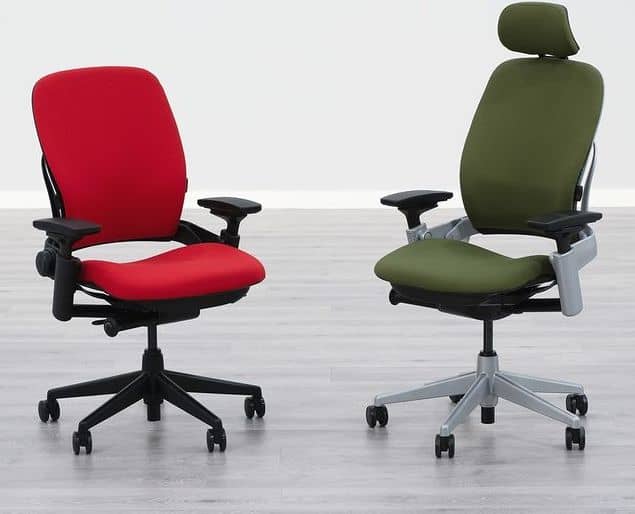
The V2 is verified live on Amazon through Steelcase’s authorized partner:
 Steelcase Leap V2 Office Chair - Ergonomic Work Chair with Wheels for Carpet Flooring - Work Chair Supports Unique Body Shape - with Natural Glide System & Liveback Technology
- LiveBack flexes with your spine
- Fully adjustable arms and seat depth
- Proven back-pain workhorse
- Built to outlast a decade
- Premium price
- Firm feel takes a week of tuning
Leap V2 vs Steelcase Gesture
The Gesture is the Leap’s pricier sibling, built around arms that track every device posture. Construction-wise the Gesture feels the more overbuilt of the two and should outlast the V2; comfort-wise our team gives the round to the Leap — longer sittable, better back support, equally comfortable seat padding. The Gesture’s arms offer slightly more freedom, but the Leap’s aren’t far behind, and the price gap buys a lot of desk mat. Buy the Gesture for the arms and the tank build; buy the Leap for the back.
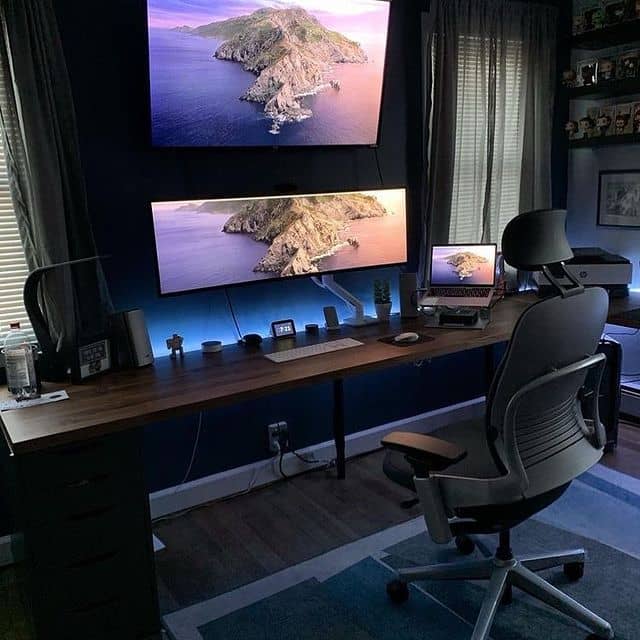
Leap V2 vs Herman Miller Embody
The two flagships of ergonomic seating, and the split is clean. The V2 is the softer, more conventionally comfortable chair — robust, big, and gentler on the skin than the Embody’s technical surfaces — and its lumbar support is, for our money, the best in the business. The Embody wins on design drama, premium materials, and its signature fluid rocking recline, which the Leap’s mechanism simply doesn’t attempt even with tension backed all the way off. It also charges Embody money for it (and has left Amazon for hermanmiller.com — details in our back-pain chair guide). Cushioned support versus rocking motion: that’s the actual choice.
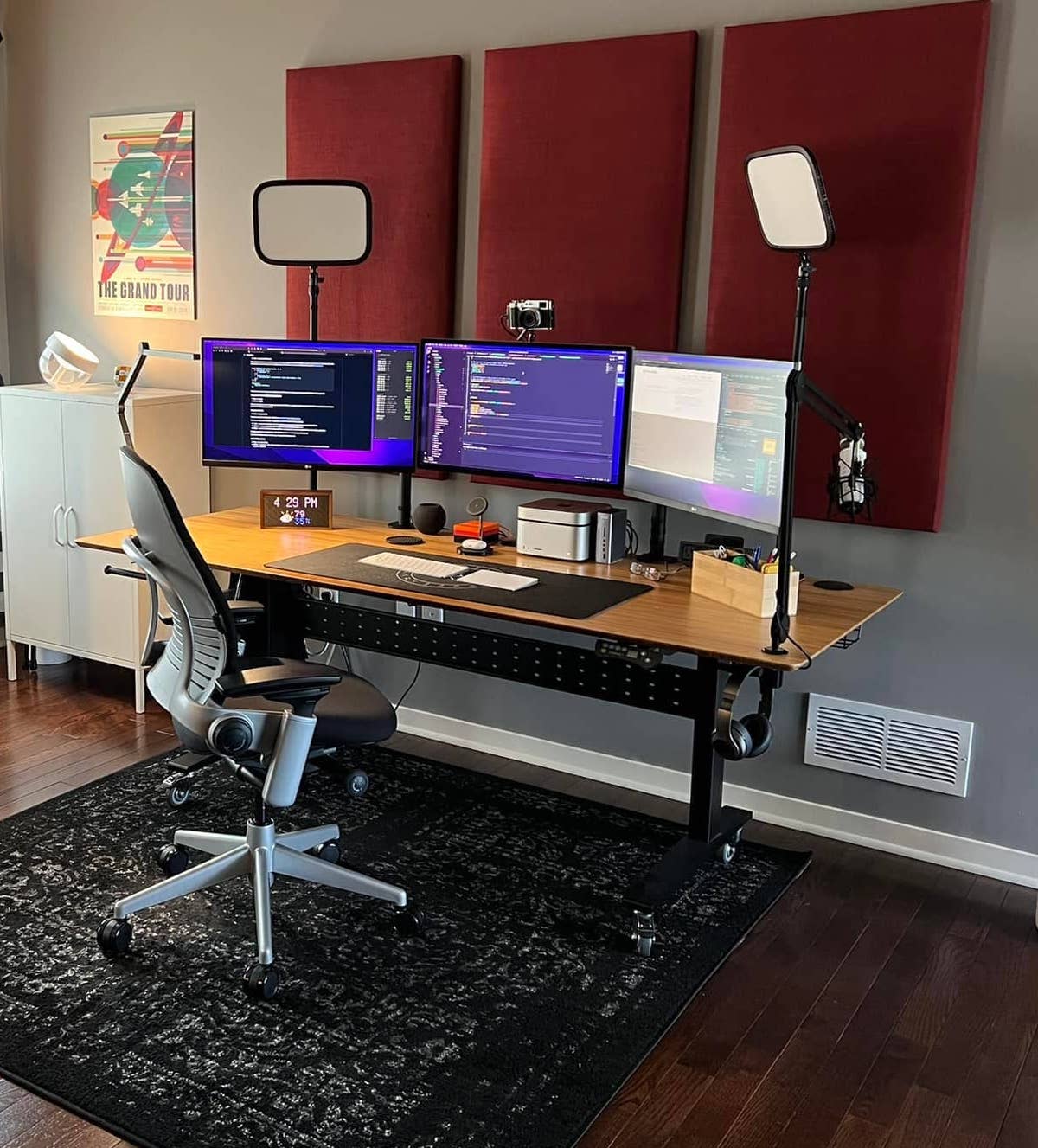
Highly customizable — but warm for some
Ordering a V2 feels like upgrading an upgrade: caster types, seat fabrics, back options, lumbar variants — you spec the chair to your body, which is exactly what chronic-back-pain buyers need. The flip side of all that padding: heavy sweaters can find the upholstered seat and back warm over long days. The classic breathable alternative is the Herman Miller Aeron — three sizes of cooling mesh, similar tier, now best bought new at hermanmiller.com rather than through the aftermarket-refurb listings that float around marketplaces. Eurotech’s Ergohuman line undercuts the Leap with a mesh back and seat, and budget shoppers can get a supportive ribbed mesh back for far less — trades our long-hours chair ranking maps in full.
A highly adjustable chair with a deliberately basic look
The Leap hides its sophistication in a plain silhouette — it vanishes into a row of ordinary office chairs, which is either camouflage or a missed opportunity depending on your taste. If you want your six-hundred-dollar ergonomics to look the part, the Herman Miller SAYL delivers style and seat-depth adjustment for less (with lumbar support a class below the Leap’s). And yes, the V2’s control set intimidates at first sit — give yourself a week with the levers before judging.
No back-height adjustment — the tall-person caveat
The V2’s 25-inch backrest suits most bodies but tops out for the very tall, and there’s no high-back option — the one spec gap that sends buyers elsewhere. Extremely tall sitters do better in an Aeron size C, a Gesture with its taller back, or Autonomous’s high-backed ErgoChair line.
It tilts — but don’t expect a rocking chair
The recline is controlled and supportive rather than free-floating: a subtle motion, never a rock. If fluid rocking is the dream, that’s the Embody’s mechanism and the Embody’s invoice. What you get instead is the Leap’s party piece — lumbar support that tracks you through every posture change, the feature that keeps this chair on every back-pain shortlist we publish.
Verdict
The Leap V2 is a high-end chair that earns the term “investment”: industry-best lumbar support, adjustability that fits nearly any body, and a refurb market that makes premium ergonomics attainable. It won’t turn heads, won’t rock, and won’t stretch to seven-footers — everything else, it does about as well as seating gets. High five intact.
Last updated: August 30, 2026 — full 2026 refresh: review re-verified with live listing box, Gesture and Embody matchups updated, Aeron rerouted to direct purchase, original imagery retained.